As government agencies and national regulatory organizations continue to pass new laws and regulations, the role of a healthcare compliance officer (HCO) has become more critical than ever. Healthcare organizations depend on compliance officers to ensure their operations, policies, and patient care practices align with federal and state requirements. The violation of these regulations can compromise patient safety, breach patient privacy, and incur strict legal and financial penalties.
The Importance of Healthcare Compliance
Accordingly, maintaining compliance has become a key focus for healthcare facilities. A well-structured compliance program helps protect patients, maintain trust, and ensure safe, high-quality care. By implementing proactive healthcare compliance monitoring, organizations can identify potential issues before they escalate and stay aligned with government and industry standards. When organizations fail to meet these obligations, the consequences of non-compliance in healthcare can include financial penalties and reputational damage.
HCO Qualifications
Qualifications for healthcare compliance officers vary but have become increasingly strict as healthcare compliance regulations have grown in complexity. In addition to meeting educational requirements, healthcare compliance officers are expected to earn and maintain industry certifications. These can include Certified in Healthcare Compliance (CHC), Certified in Healthcare Privacy Compliance (CHPC), Certified in Healthcare Research Compliance (CHRC), and Certified in Healthcare Compliance Fellow (CHC-F).
Extensive knowledge of laws, regulations, and medical practices is important to effectively manage compliance programs within healthcare organizations. HCOs also need to understand the ins and outs of medical office practices. A healthcare compliance officer needs to be familiar with:
- Coding
- Billing
- Reimbursement
- Healthcare administration
- Clinical activities
- Risk management
- Investigative activities and protocols
- Healthcare agencies and regulatory standards
This background knowledge provides a solid foundation for the HCO to administer the responsibilities of the position. The daily reality of working with patients, practitioners, and medical staff can be complicated when administering new compliance standards, so it’s vital for healthcare compliance officers to possess excellent leadership and communication skills.
9 Responsibilities of Healthcare Compliance Officers
HCOs are responsible for developing a corporate compliance program and administering its implementation. Depending on factors such as type of practice and number of employees, this can consist of some or all of the following:
- Creating a corporate compliance plan
- Identifying potential risks
- Ensuring proper creation, maintenance, distribution, and storage of documentation
- Training employees on compliance issues
- Handling complaints
- Holding employees accountable
- Safeguarding whistleblowers
- Finding mutually beneficial solutions
- Creating a culture of compliance
What Laws Govern Healthcare Compliance?
To help organizations maintain compliance with healthcare laws, an HCO must have an expert understanding of the following laws and agencies:
- The Drug Enforcement Administration and the Food and Drug Administration govern the manufacture and distribution of medication and other controlled substances.
- The Health Insurance Portability and Accountability Act of 1996 (HIPAA) and the Health Information Technology for Economic and Clinical Health (HITECH) Act safeguard patient privacy by restricting the sharing of healthcare information and requiring healthcare organizations to keep patient records safe.
- The Social Security Act establishes rules for reimbursement from Medicare, Medicaid, and CHIP.
- The False Claims Act prevents fraud and abuse by making it illegal to file false medical claims.
- The Patient Protection and Affordable Care Act establishes rules around insurance premiums, practices, and access to health insurance and Medicaid.
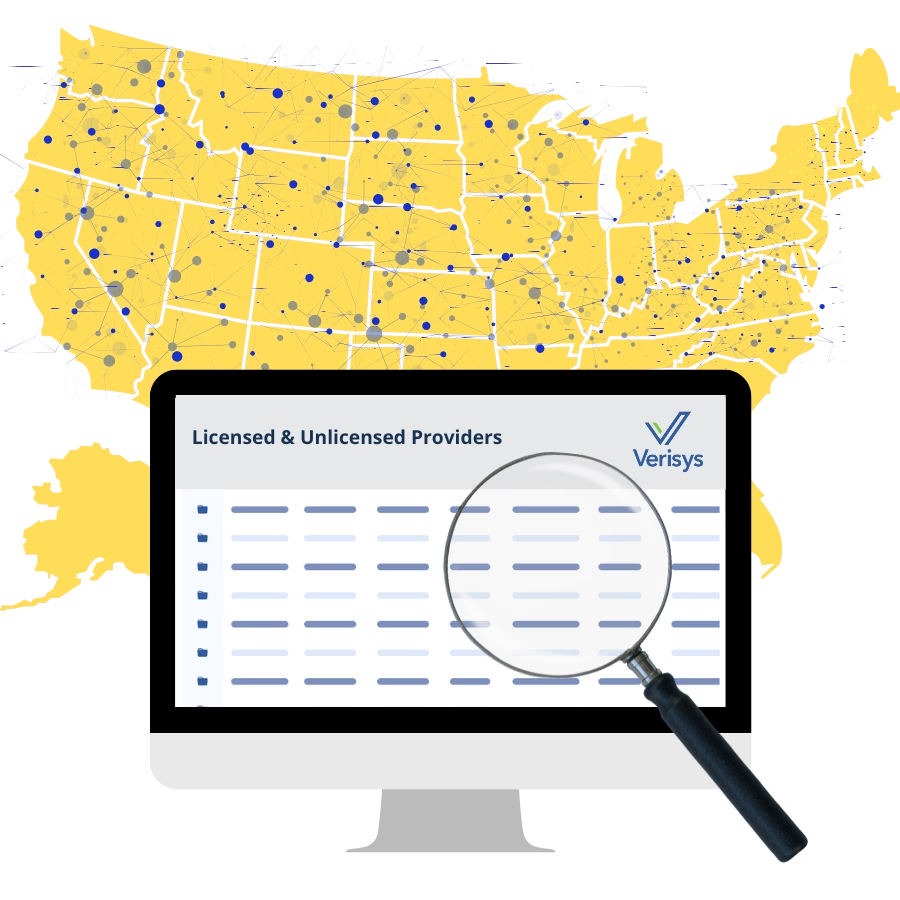
- The Department of Health and Human Services and the Office of the Inspector General maintain lists of healthcare providers who have had actions taken against their licenses for fraud or abuse.
Challenges Facing Healthcare Compliance Officers
Healthcare compliance officers face growing challenges as laws and regulations evolve. Keeping up with regulatory changes, conducting effective training, and managing ongoing healthcare compliance audits while maintaining ethical standards across all employees can be difficult. Common healthcare compliance issues, such as improper documentation or outdated policies, can create vulnerabilities that lead to penalties or audits. Additionally, integrating AI in healthcare compliance can improve efficiency but requires knowledge and oversight to ensure accurate implementation.
HCO Best Practices Ensure Patient Safety
Healthcare compliance officers are responsible for safeguarding patient privacy and safety. With the increasing use of telemedicine and resultant sharing of information via personal devices, it’s more important than ever to maintain security and privacy around patient information.
Whether it’s maintaining confidentiality between doctors and patients or familiarizing organizations with privacy laws such as HIPAA, an HCO helps facilities understand that patient privacy and security should be one of the highest priorities in healthcare compliance.
An HCO should also conduct regular audits to help ensure state and federal standards continue to be met. This is especially important to help healthcare facilities stay current as laws and regulations change. HCOs use their knowledge, preparation, and leadership skills to implement change within the organizations where they work. A well-organized healthcare compliance officer can help the facility not only maintain compliance and mitigate fines and penalties, but also increase communication, trust, and most importantly, patient safety.
How Verisys Helps Healthcare Compliance Officers Succeed
At Verisys, we partner with healthcare organizations and compliance professionals to streamline compliance management, strengthen credentialing programs, and support healthcare compliance officers in maintaining adherence to complex laws and regulations. Our provider credentialing management solutions help protect patients, reduce risk, and ensure compliance programs are both effective and efficient.
With decades of experience in the health care industry, Verisys delivers trusted technology and resources that empower specialists and leaders across hospitals, clinics, and private practices. Our tools enable healthcare professionals to uphold compliance ethics, meet every regulatory requirement, and maintain operational integrity across their organizations.
Whether you’re pursuing a career in healthcare compliance, earning a degree or certification, or working within a hospital or health system, Verisys provides the insight and support you need to stay aligned with every association and accreditation standard that governs the industry.
Learn more about how Verisys can assist your HCOs in meeting all government and regulatory standards.