Credentialing is the backbone of healthcare, ensuring providers are qualified, compliant, and trusted by patients. However, the process itself can be complicated and time-consuming—and when things go wrong, it can lead to financial setbacks, medical standard compliance issues, and unnecessary stress.
That’s why healthcare organizations need to prioritize provider credentialing solutions. By recognizing common pitfalls and taking a proactive approach, you can streamline provider onboarding, stay compliant, protect your bottom line, and ultimately improve patient trust and care.
Common Credentialing Issues in Healthcare
Some of the most common types of credentialing issues in healthcare include:
- Delays in provider approval: Missing paperwork, processing errors, and outdated application workflows can drag out credentialing timelines. This means patients are stuck waiting to see providers, delaying medical care and preventing revenue generation.
- Data inaccuracies: A misspelled name, incorrect license number, or missing documentation might seem minor, but they can lead to license and certification rejections, compliance violations, and delayed insurance reimbursements—potentially causing financial and operational headaches.
- Regulatory noncompliance: Skipping or mishandling required provider credentialing steps can lead to serious consequences, including fines, loss of accreditation, and sometimes legal issues.
- Poor communication between departments: Credentialing requires input from many players, including HR, compliance teams, and insurance payers. When these groups aren’t aligned, delays, miscommunications, and mistakes can pile up, slowing everything down and endangering the reputability of both entities.
- Failure to track expiring credentials: Without a reliable tracking system, expired licenses, certifications, or insurance policies can slip through the cracks. This can result in providers being unable to bill for services, disruptions in patient care, and compliance violations.
The Financial Impact of Credentialing Issues
Credentialing isn’t just an administrative hassle—it directly impacts your financial health. From lost revenue and reimbursement delays to hefty fines for noncompliance, credentialing mistakes can be expensive.
Here are two major financial risks healthcare organizations face when the credentialing process isn’t handled properly.
Delays in Provider Onboarding
Every day a physician, nurse, or other medical provider waits for hospital credentialing approval means a potential loss in earnings from patient visits, procedures, and insurance reimbursements. For large healthcare systems, these delays can add up fast, potentially costing millions in lost revenue each year while also making it harder for patients to get the care they need.
When credentialing is delayed, patient care suffers—longer wait times, fewer available healthcare providers, and added stress. Declining patient care can impact the organization’s reputation and cause patients to seek care elsewhere.
Compliance Penalties
Regulatory agencies like the Centers for Medicare & Medicaid Services (CMS) and The Joint Commission enforce strict medical credentialing standards to ensure healthcare providers meet necessary qualifications and maintain patient safety. Failing to adhere to these standards can lead to significant financial and operational consequences:
- Financial penalties: CMS has the authority to impose civil monetary penalties on healthcare organizations that fail to comply with credentialing requirements. For instance, CMS has issued fines to hospitals for noncompliance with various regulations.
- Suspension of billing privileges: Noncompliance can result in the suspension of a provider’s billing privileges, effectively halting revenue streams and disrupting patient care services.
- Reputational damage: Repeated violations can tarnish an organization’s reputation, making it challenging to attract patients and top-tier healthcare professionals and secure contracts with insurance payers.
To mitigate these risks, organizations must prioritize robust healthcare compliance auditing and credentialing management processes.
Preventing Credentialing Issues
Here are two key ways to make credentialing more accurate and efficient:
Ensure Accurate Provider Information
One of the primary causes of credentialing delays is inaccurate or incomplete physician, nurse, or general provider data. Ensuring that all provider documentation—including medical licenses, board certifications, malpractice insurance, and work history—is accurate and up to date is essential.
To avoid processing delays, CMS recommends:
- Reaching out for support: Your credentialing entity can be a valuable resource. Many offer tutorials, webinars, guides, and other healthcare compliance resources to help navigate the process more efficiently.
- Taking advantage of digital tools: Automated verification systems can speed up credentialing by reducing manual errors and processing time.
- Standardizing your approach: Using consistent data entry protocols helps ensure accuracy, minimizes back-and-forth corrections, and keeps operations running smoothly.
Perform Regular Audits and Checks
Timely internal audits help your organization stay compliant with healthcare standards by catching any credentialing mistakes early. Regularly checking provider files for missing or outdated information, verifying medical licenses and certifications directly with primary sources, and running internal compliance reviews help healthcare organizations stay ahead of regulations.
For example, setting a quarterly audit schedule can help you flag expired credentials before they cause disruptions, ensuring providers remain eligible to see patients and bill for services.
Streamlining Credentialing Processes
Given the complexities involved in the credentialing process, efficiency is key. To that end, look for ways to streamline management workflows and reduce administrative burdens with automated credentialing solutions.
The following two approaches can significantly enhance your credentialing efficiency.
Automating Credentialing Workflows
Manual credentialing processes are time-consuming and prone to human error. By implementing automated provider credentialing solutions, you can quickly and accurately:
- Track provider data
- Validate credentials
- Flag discrepancies in real-time
Automation cuts down on paperwork, too, which can speed up approvals and reduce errors.
Creating Centralized Credentialing Systems
When credentialing is spread across multiple systems, things can easily fall through the cracks—documents can get lost, approvals can get delayed, and miscommunication can slow everything down.
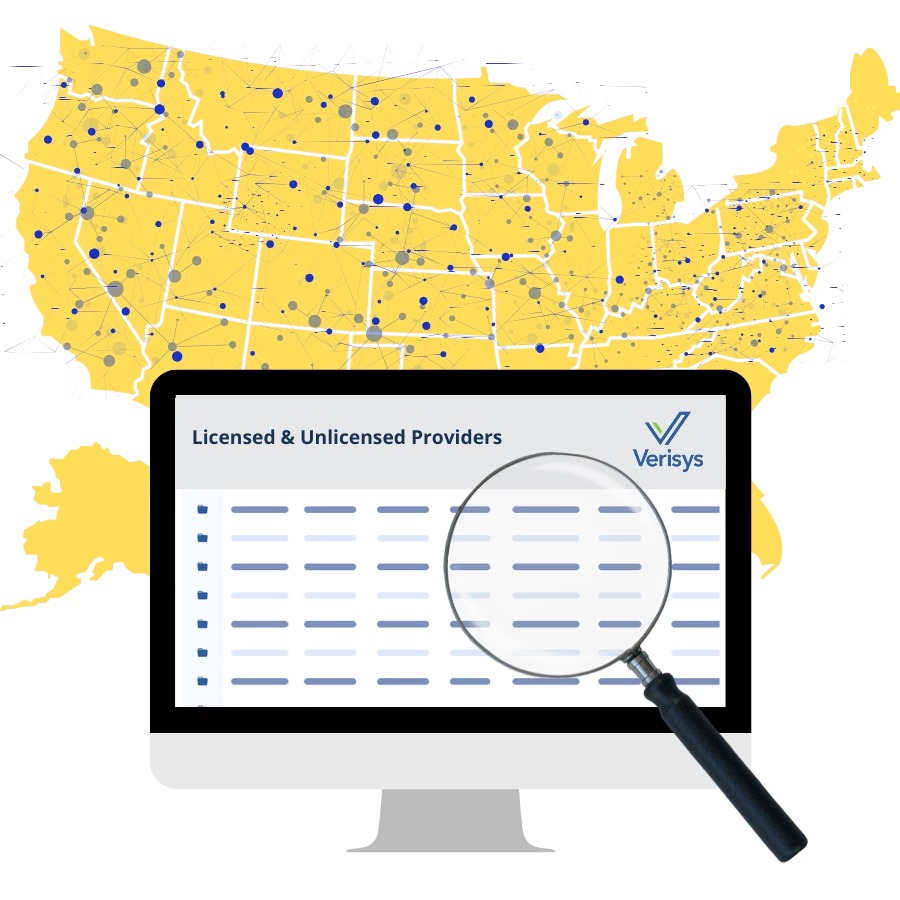
A centralized credentialing platform keeps everything in one place so that HR, compliance teams, and insurance payers can access real-time provider data, track application progress, and flag any missing information instantly.
For example, instead of juggling spreadsheets and emails, a hospital system can use a single dashboard to see which providers are fully credentialed and which still need verification. This streamlined approach reduces redundant work and improves transparency, further supporting efficiency.
Training and Education for Credentialing Staff
An effective credentialing system is only as strong as the staff managing it. Consider investing in ongoing training and education for your credentialing management teams to ensure they’re consistently following best practices.
The Importance of Ongoing Training
Providing regular training sessions, workshops, and certification programs helps staff stay informed and understand new compliance mandates, credentialing technologies, and best practices.
Fostering a Culture of Accuracy
A culture that prioritizes accuracy and attention to detail can significantly reduce credentialing errors. As a healthcare organization, you must encourage a meticulous approach to documentation, verification, and compliance to ensure that all staff members are diligent and aware of their credentialing responsibilities.
Acknowledging and celebrating accuracy can go a long way in reinforcing the importance of precision. A simple shoutout in a team meeting, an incentive for error-free processing, or even a small bonus can motivate staff to stay detail-oriented and keep processes running smoothly.
Mitigating the Risks of Credentialing Issues
When done right, credentialing ensures financial stability, compliance, and, most importantly, patient care without delays.
By tackling common challenges head-on, setting up the right safeguards, and using technology to simplify the process, you can make credentialing easier, faster, and more reliable for everyone involved.
- Maintain accurate and up-to-date provider information.
- Conduct regular audits to identify and correct credentialing discrepancies.
- Automate credentialing workflows to improve efficiency and reduce human error.
- Implement a centralized credentialing system to enhance coordination and transparency.
- Provide ongoing training for credentialing staff to stay ahead of regulatory changes.
Take the Next Steps With Verisys
Verisys provides cutting-edge provider credentialing solutions that help healthcare organizations automate workflows, ensure compliance, and streamline provider onboarding. Our centralized credentialing platform reduces administrative burdens and mitigates financial risks associated with credentialing errors, enhancing provider data accuracy.
Contact us today to learn how our comprehensive services can optimize your operations and safeguard your organization’s success.
Sources:
NPDB. Delegated Credentialing. https://www.npdb.hrsa.gov/guidebook/DDelegatedCredentialing.jsp
CMS. Enforcement Actions. https://www.cms.gov/priorities/key-initiatives/hospital-price-transparency/enforcement-actions
CMS. Avoiding Processing Delays. https://www.cms.gov/Medicare/Provider-Enrollment-and-Certification/MedicareProviderSupEnroll/Downloads/Avoid_Processing_Delays.pdf