ReferencePro
Thank you
Expect Amazing. We’re reaching out shortly.

From the Verisys Blog

A Strategic Guide to Modern Provider Network Monitoring
Provider network monitoring requires continuous oversight of every provider in an organization’s network to verify credentials, detect sanctions and exclusions, and confirm regulatory compliance across an increasingly complex healthcare environment. In many healthcare...

How OIG Monitoring Strengthens Patient Safety and Compliance
OIG monitoring is the recurring process of screening employees, contractors, providers, and vendors against the OIG List of Excluded Individuals and Entities (LEIE) to identify individuals or entities excluded from participation in federally funded healthcare...

Best Provider Network Management Solutions for Multi-State Healthcare Organizations
Managing provider networks across multiple states requires more than maintaining a provider roster. Health plans, managed care organizations, and other healthcare organizations must keep provider data accurate, verify eligibility, monitor sanctions and exclusions, and...

Navigating Compliance Challenges for Healthcare Staffing Agencies
Healthcare staffing agencies are under pressure to place qualified providers quickly while maintaining compliance standards that can withstand client, regulatory, and audit scrutiny. Many compliance gaps are not caused by intentional negligence. Instead, they stem...

How Negligent Credentialing Increases Medical Malpractice Exposure
Negligent credentialing exposes healthcare organizations to direct legal liability beyond any individual physician's malpractice. When a facility fails to properly verify and monitor provider qualifications, it faces claims rooted in its own procedural failures rather...
Why Provider Eligibility Matters in Workers’ Compensation Claims
Provider eligibility in workers’ compensation is not just a credentialing requirement. It directly determines whether a claim can be paid. When eligibility is not verified accurately and continuously, organizations risk reimbursing ineligible providers, triggering...
What Healthcare Organizations Look for in a Compliance Data Provider
Healthcare organizations face many complexities in compliance monitoring: more regulations, more provider types, more data sources, and higher consequences for gaps in verification. Selecting the right compliance data provider directly affects patient safety,...

The Benefits of Continuous Background Checks in Healthcare Staffing
A background check confirms who a provider is at the moment of hire, but it does not confirm who they remain over time. In the healthcare industry, that gap creates measurable risk. A provider’s license can lapse, a sanction can be issued, or a criminal background...

How Health Plans Can Meet 2026 Network Adequacy Requirements
Medicaid certification for network adequacy is entering a new era of regulation. Beginning in 2026, health plans face stricter federal standards, independent validation requirements, and continuous monitoring expectations that change how organizations demonstrate...
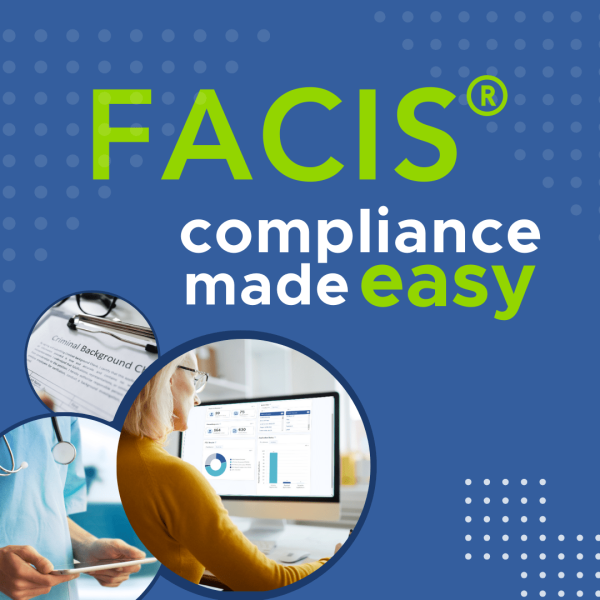
FACIS vs Other Healthcare Exclusion Databases
For healthcare compliance leaders, exclusion screening is not a routine administrative task; it is one of the most scrutinized elements of regulatory oversight. Civil monetary penalties, repayment exposure, audit findings, and reputational risk often trace back to one...