Healthcare Compliance Resources
Single source for healthcare compliance best practices, regulatory updates, and industry news.

Physician Onboarding Checklist
Hiring a new practitioner is a complex process for many healthcare entities. A physician onboarding checklist can help guide this process by clearly outlining the key steps required to onboard a new...
What Is Human Capital Management As It Relates To Healthcare?
Human Capital Management (HCM) in the healthcare industry is the strategic approach to recruiting, managing, developing, and retaining healthcare professionals to support high-quality patient care,...

Healthcare Exclusion Monitoring – Why It Is So Important to Healthcare Compliance?
Healthcare exclusion monitoring is critical to healthcare compliance because employing or contracting with an excluded provider can result in severe financial penalties, loss of federal program...

Healthcare Fraud in the Digital Age: New Challenges and Solutions
Healthcare fraud prevention is paramount. It’s crucial for regulatory compliance, it promotes patient safety, and it...

Why Risk Management is Critical in Healthcare: Protecting Patients and Providers
Risk management in healthcare is about more than just preventing potential consequences—to effectively mitigate risks,...

Top 5 Technology Trends Driving the Future of Healthcare Compliance
Healthcare compliance technology has reached new heights: From AI to blockchain and cloud-based platforms, healthcare...

The Importance of Healthcare Sanction Screening for Workforce Integrity
The healthcare sanctions background check process remains one of the most critical operations for direct care...

Credentialing Requirements by State: A Guide for Healthcare Providers
A healthcare provider’s credentials refer to their education, training, and the licenses or certifications they’ve...

Ensuring Provider Directory Accuracy for Improved Patient Access
Patients normally research networks and providers before they enroll in a new healthcare plan or seek medical care...
Webinars & Compliance Updates

Unmasking Hidden Risks: The Power of FACIS
The Challenge Healthcare organizations face the critical challenge of vetting potential hires not only for their qualifications but also for any legal and ethical discrepancies that could compromise patient safety and the institution's reputation. Given the complexity...
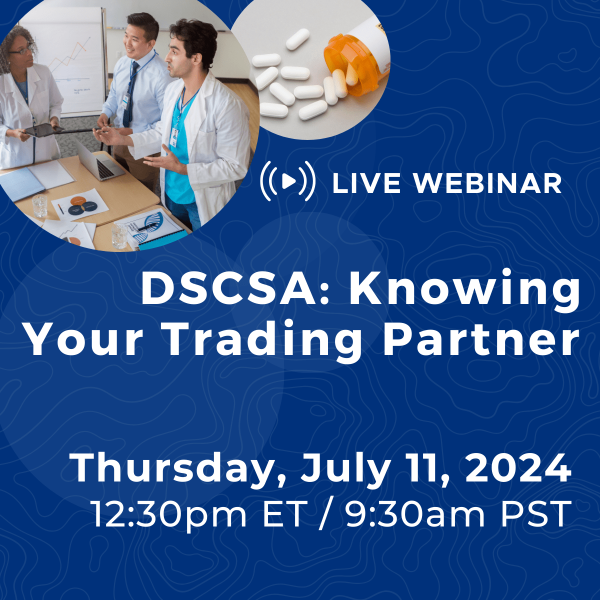
Webinar: DSCSA – Know Your Trading Partner
DSCSA: Know Your Trading Partner Join Verisys compliance experts as we dive deeper into DSCSA changes and explore best practices from industry experts. Whether you’re well-versed in compliance or just getting started, this webinar is an essential resource for...
June 2024 Regulatory Compliance Updates
– The best resource for monthly healthcare regulatory compliance updates. Compliance Updates: June 2024 Overlook: Federal Legislation DEA Licensure Compacts Other Legislation Board Updates Alabama: Veterinarians do not have NPI Numbers: The Board of...
Get compliance resources delivered to your inbox!
Verisys is your source for healthcare compliance best practices, news, and information.