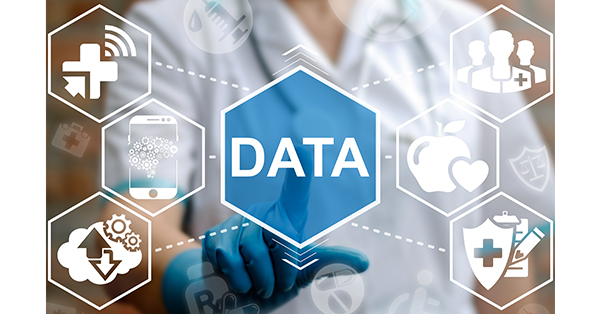
Data governance in healthcare is the framework of policies, processes, and technologies used to manage, protect, and ensure the accuracy and proper use of patient data throughout its lifecycle. As healthcare organizations increasingly rely on digital records and data-driven care, effective data governance is crucial for maintaining regulatory compliance, reducing risk, and controlling costs. Without strong data governance, healthcare organizations face increased exposure to data breaches, operational inefficiencies, and risks to patient safety.
The rapid expansion of telemedicine during the COVID-19 pandemic accelerated the volume and movement of electronic healthcare data, including images, video, and audio files. This shift increased both the value and complexity of patient data, making strong data governance essential for securely managing information across digital platforms while supporting efficiency, cost control, and quality of care.
Role of Healthcare Data Governance
Data governance in healthcare is defined by the American Health Information Management Association (AHIMA) as “the practice of managing data assets throughout their lifecycle to ensure that they meet organizational quality and integrity standards. Data governance is geared toward making sure that users can trust their data, which is especially important when making patient care decisions.”
From the time a patient sets foot in a healthcare facility or consult room, his or her data must accurately be followed through its entire lifecycle. A responsible healthcare data governance program requires that this patient data be used in a secure, ethical, and authorized manner. With increased data access, there are also increasing concerns around data security, ethics, and regulating authorization.
Data Governance and HIPAA
The Health Insurance Portability and Accountability Act (HIPAA) is the US law that covers protected health information (PHI). Under HIPAA, hospitals and insurers are legally responsible for protecting PHI.
To fulfill HIPAA responsibilities, healthcare organizations must maintain a strong data governance plan with high-quality analytics. In addition to its risk to patients, a weak healthcare data governance plan can also incur financial consequences for organizations, including fines and the costs of remediation and auditing.
Hindrances of Data Governance in Healthcare
As access to electronic health data grows, healthcare organizations face increasing strain on healthcare data governance. Expanding data volumes demand more time, tools, and resources to manage effectively, often stretching teams thin and limiting visibility into data quality issues.
Data Volume, Record Integrity, and Risk
One of the most persistent challenges is mismatched and duplicate patient records. While widely recognized as a priority, many organizations lack a clear understanding of duplication rates, an issue that becomes more acute during disruptions such as public health emergencies, mergers, or acquisitions. At the same time, the rapid expansion of data sources adds complexity to maintaining consistent, accurate information, reinforcing the importance of healthcare governance in driving reliable outcomes.
Increased data accessibility also elevates privacy and security risks, emphasizing the need for risk management in healthcare settings. Higher volumes place added pressure on administrative teams to ensure accuracy and integrity, while digital environments inherently increase exposure to breaches and errors. Realizing the full benefits of governance requires proactive risk mitigation through structured data management and strong governance frameworks.
Why Master Data Management Is Critical to Healthcare Data Governance
Critical business data shared among multiple systems is called master data. In healthcare, master data is divided into two types:
- Identity Data (patient, provider, and location identifiers)
- Reference Data (standard terminologies and proprietary codes e.g. ICD, DRG, SNOMED, LOINC, RxNorm, and order sets)
Because master data management (MDM) and data governance are labeled differently, they are often thought of as mutually exclusive, but data governance rules are intrinsically tied to healthcare data such as PHI. Master data management (MDM) requires data governance because data governance rules ensure the quality and privacy of the master data.
Strengthening Healthcare Data Governance Through Automation
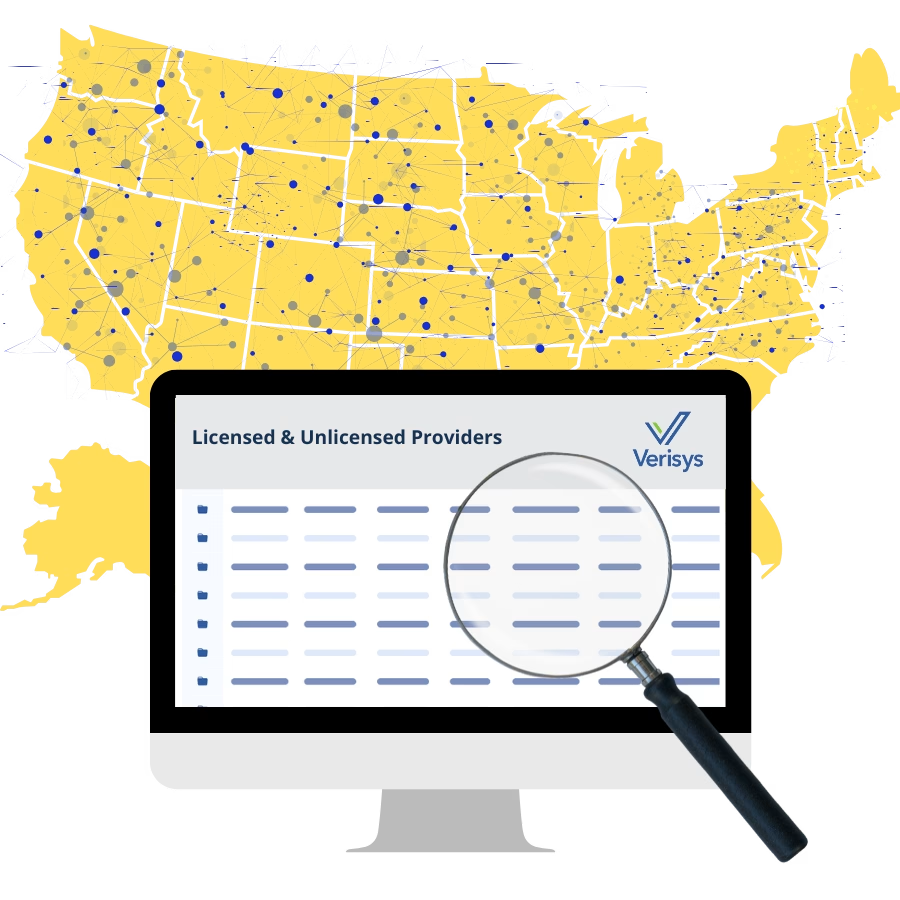
The best way to implement strong data governance into today’s data-driven healthcare practices is to integrate automation into data management. If your healthcare organization is drowning in data, it’s time to do something about it. Verisys screens and credentials millions of providers against 5,000 federal and state primary sources. Verisys’ end-to-end provider credentialing will reduce your administrative burden and optimize provider data and analytics. Contact Verisys to learn how you can create secure data systems that will save you time and keep your patients safe.