What is DSCSA?
The Drug Supply Chain Security Act (DSCSA) is an important regulation aimed at enhancing the security of the pharmaceutical supply chain in the US. Enacted in 2013, the DSCSA mandates the implementation of an interoperable electronic system to trace prescription drugs from manufacturers to dispensers. The primary goal is to protect consumers from counterfeit, stolen, contaminated, or otherwise harmful drugs by ensuring the integrity of the drug supply chain.
Key Aspects of the DSCSA
- Electronic Tracking: By November 27, 2024, all entities in the pharmaceutical supply chain, including manufacturers, wholesale distributors, repackagers, and dispensers (primarily pharmacies), must use an electronic system for tracking prescription drugs. This system will replace previous paper-based methods, enhancing accuracy and efficiency in tracing drug packages.
- Unique Product Identifiers: Each drug package must be labeled with specific identifiers, including the National Drug Code (NDC), lot number, expiration date, and a unique serial number. These identifiers help verify the authenticity of each drug package throughout the supply chain.
- Stabilization Period: The FDA has established a one-year stabilization period from November 2023 to November 2024 to allow trading partners to fully implement and troubleshoot their electronic systems without disrupting the supply chain. During this period, the FDA will not enforce certain DSCSA requirements to help ensure a smooth transition.
- Impact on Trading Partners: The DSCSA impacts all authorized trading partners, including manufacturers, repackagers, wholesale distributors, and dispensers. While the act does not apply to over-the-counter products and certain other medical items, it requires stringent tracking and verification for prescription drugs to ensure they are legitimate and safe for consumers.
Pharmacies and other stakeholders need to upgrade their systems to comply with the new electronic tracking requirements and collaborate with their trading partners to ensure the entire supply chain adheres to the DSCSA standards. This comprehensive approach aims to significantly reduce the risks associated with counterfeit drugs and improve overall drug safety.
What are Authorized Trading Partners?
An “authorized trading partner” under the Drug Supply Chain Security Act (DSCSA) refers to specific entities within the pharmaceutical supply chain that are legally permitted to engage in transactions involving prescription drugs. These entities must meet certain qualifications and adhere to regulatory standards to ensure the integrity and security of the drug supply chain.
Types of Authorized Trading Partners
-
- Manufacturers: Companies that produce prescription drugs.
- Repackagers: Entities that package finished drugs from manufacturers into new packaging, often for distribution to pharmacies or other entities.
- Wholesale Distributors: Businesses that distribute prescription drugs to various entities, including pharmacies, hospitals, and other healthcare providers.
- Dispensers: Primarily pharmacies, but can also include hospitals or other entities that dispense prescription drugs directly to patients.
Each of these Authorized Trading Partners has a specific role in the supply chain and responsibility for patient safety. Without proper pharmacy compliance and credentialing solutions, risk for the patient and organization is added to the ecosystem. DSCSA has clear requirements for Authorized Trading Partners.
Requirements for Authorized Trading Partners
-
- Licensing: Each trading partner must be appropriately licensed or registered with the relevant federal and state authorities. For instance, wholesale distributors and third-party logistics providers must be licensed by the state in which they operate or by the FDA if the state does not require licensing.
- Compliance with DSCSA Standards: Authorized trading partners must adhere to the DSCSA requirements, which include maintaining and providing transaction information, history, and statements for each transaction involving prescription drugs. This ensures that each step in the supply chain can be verified and traced back to the source.
These requirements help to minimize the potential for harmful drugs entering the supply chain and make it easier to track harmful drugs if they do enter the supply chain. Without centralized licensing and DSCSA standards, bad actors can easily put patient safety at risk.
Purpose and Importance of Being an Authorized Partner
The designation of authorized trading partners is crucial for maintaining the integrity of the drug supply chain. By ensuring that only licensed and regulated entities handle prescription drugs, the DSCSA aims to prevent the introduction of counterfeit, stolen, contaminated, or otherwise harmful drugs into the market. This system enhances the safety and reliability of the pharmaceutical supply chain, ultimately protecting consumers.
How to Achieve DSCSA Compliance
Achieving compliance with the Drug Supply Chain Security Act (DSCSA) involves several key steps that trading partners in the pharmaceutical supply chain must follow. Here are the primary actions needed to comply with DSCSA requirements:
Understand DSCSA Requirements
- Familiarize with Regulations: Develop a thorough understanding of DSCSA requirements, including the use of electronic, interoperable systems to trace prescription drugs throughout the supply chain.
- Educational Resources: Leverage guidance from the FDA and industry organizations to stay informed on regulatory updates and evolving compliance expectations.
Implement Electronic Systems
- Adopt Interoperable Systems: Implement systems capable of electronically tracking drug packages from the manufacturer to the dispenser, including the use of serialized identifiers.
- Technology Integration: Ensure existing IT infrastructure is compatible with DSCSA requirements, which may involve upgrading software or adopting new drug tracing and verification technologies.
Labeling and Serialization
- Unique Product Identifiers: Ensure all prescription drug packages are labeled with required identifiers, including the National Drug Code (NDC), serial number, lot number, and expiration date, to support tracking and verification.
Maintain and Exchange Transaction Data
- Transaction Documentation: Maintain and exchange transaction information, transaction history, and transaction statements for each drug movement in electronic form.
- Compliance Documentation: Verify that transaction data includes required details such as product identifiers, transaction dates, lot numbers, and ownership history.
Verify Trading Partners
- Authorized Trading Partners: Engage only with trading partners that are properly licensed and authorized under DSCSA regulations.
- Regular Audits: Conduct routine audits to ensure trading partners remain compliant and supply chain integrity is maintained.
Training and Collaboration
- Staff Training: Provide comprehensive training to staff on DSCSA requirements and the use of electronic systems for tracking and verification.
- Collaboration: Work closely with manufacturers, wholesale distributors, repackagers, and dispensers to support consistent compliance across the supply chain.
Utilize FDA Resources
- Guidance and Support: Use FDA guidance documents, webinars, and compliance resources to stay aligned with DSCSA requirements.
- Compliance Assistance: Participate in FDA-led programs and initiatives designed to support DSCSA implementation and compliance.
How Verisys Keeps Organizations DSCSA Compliant
Verisys can assist pharmaceutical companies in achieving DSCSA compliance through various services and solutions. Here are some ways Verisys helps with DSCSA compliance:
-
-
- Verification of Trading Partners
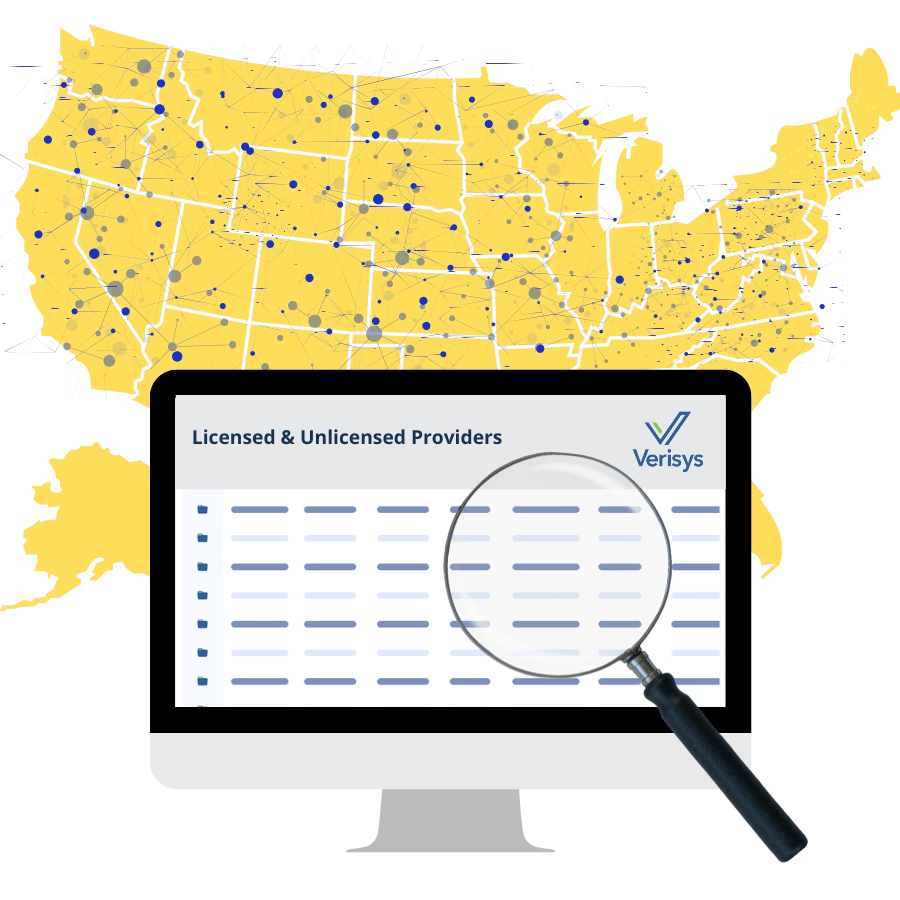
- Credentialing and Licensing Verification: Verisys ensures that all trading partners, including manufacturers, wholesale distributors, repackagers, and dispensers, are properly credentialed and licensed. This is crucial as the DSCSA requires trading partners to engage only with authorized entities.
- Continuous Monitoring: Verisys provides ongoing monitoring of trading partners to ensure they remain compliant with regulatory requirements, which helps companies maintain an up-to-date and compliant supply chain.
- Data Management and Integration
- Interoperable Systems: Verisys offers solutions that integrate with existing systems to manage and track the necessary data for DSCSA compliance.
- Data Accuracy: Ensuring the accuracy and completeness of transaction data is critical for compliance. Verisys helps companies manage large volumes of data effectively, ensuring that all information meets DSCSA standards.
- Compliance Support and Training
- Compliance Expertise: Verisys’ team of experts can provide expertise and guidance on DSCSA regulations, helping companies understand and implement the necessary compliance measures.
- Verification of Trading Partners
-
Supporting DSCSA Compliance Across the Pharmaceutical Supply Chain
Meeting DSCSA requirements is essential for protecting the safety, transparency, and integrity of the pharmaceutical supply chain. With evolving regulations and complex data, verification, and partner requirements, organizations benefit from solutions that support ongoing compliance efforts.
By leveraging Verisys’s comprehensive services, companies can ensure they meet all DSCSA requirements, thereby enhancing the security and integrity of their pharmaceutical supply chain.
Contact a Verisys DSCSA expert, to confirm your compliance with DSCSA today!