Whether you’re looking to expand provider networks or onboard new staff to your practice, dental insurance credentialing is a crucial part of providing high-quality care that aligns with state and industry standards.
But why exactly is dental credentialing so important? And how can you implement credentialing solutions that save you time and effort by streamlining the entire process?
This comprehensive guide breaks down everything you need to know, so you can navigate dental credentialing with ease and confidence.
What Is Dental Credentialing?
Dental credentialing verifies that a dentist or dental hygienist is qualified to treat patients to the highest standards of care. What’s more, provider credentialing is commonly required by insurance payers in order to ensure patient safety, avoid malpractice, and comply with regulations.
Dentist credentialing typically involves a review of a provider’s education, previous work experience, licenses, certifications, and other relevant experience. It’s not the same as enrollment, which comes after credentialing approval. And if you’re wondering about the difference between credentialing and privileging, it’s simple—credentialing is a broad verification of a dentist’s qualifications and expertise, while privileging allows skilled professionals to carry out more specific procedures based on training and competence.
Why does provider credentialing matter in dentistry?
First, it’s a requirement to join insurance networks, which improves patient access and helps remove barriers to care. Plus, as a dental practice owner or office manager, you can rest assured that your team meets the utmost standards of dentistry.
The Dental Credentialing Process
There are different types of credentialing based on your medical field. A dentist credentialing checklist starts with required documentation and qualifications, including:
- State license
- Dentist NPI
- Educational degree
- Work history (CV)
- Any extra certifications
The paperwork can become extensive, so it’s important to stay organized and digitize all of these documents.
Once an application is submitted, the insurer checks that everything is correct through primary source verification. This means they’ll contact sources such as dental schools, licensing boards, past employers, malpractice insurers, and more.
Once network approval is received, the provider can be onboarded by the payer, who will negotiate the contract, including any approved privileging. From there, the provider is able to practice as a credentialed dentist in their network.
Challenges in Dental Credentialing
Start to finish, the credentialing process can take months, and there is plenty of potential for delays, errors, and bottlenecks. Staying proactive is key to avoiding costly credentialing issues in healthcare fields like dentistry.
Here’s how to prevent some common pitfalls.
Incomplete Submissions
The sheer volume of documentation required for a dental credentialing application means that it’s easy to make small mistakes that turn into lengthy setbacks. Paperwork errors, expired documents, and missing or incomplete forms can all delay processing time.
Be sure not to let anything fall through the cracks.
Multiple Payer Requirements
Insurance payers aren’t one-size-fits-all, so it’s typical to customize credentialing applications for each insurance company. This can involve different requirements, timelines, and fees. As such, it’s crucial to stay organized and diligent across different providers.
Recredentialing and Maintenance
All healthcare license verification and monitoring is a continuous process. Periodic recredentialing is required for all dentists, ensuring they still meet the standards set by the payer. Compliance can (and does) change over time, so it’s important to stay up to date and aware of recredentialing timelines.
Tools and Services That Streamline Credentialing
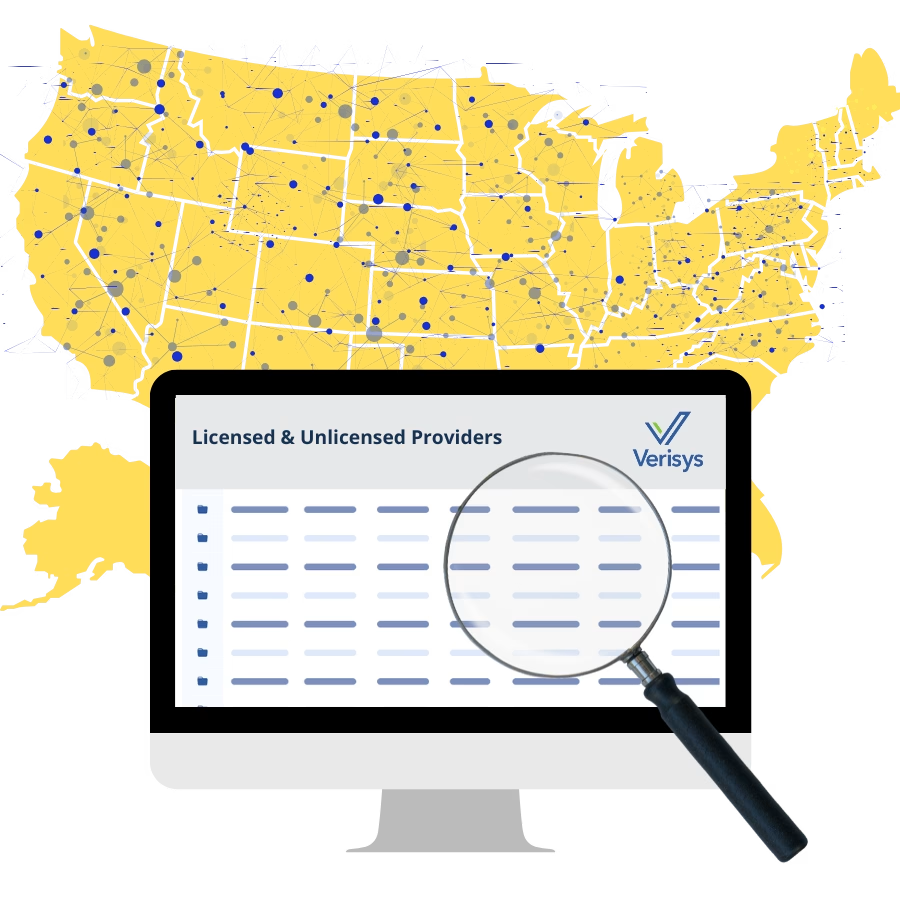
Credentialing platforms for dental offices streamline the entire process, allowing you to maintain focus on patient care and let a third party handle all the nitty-gritty paperwork.
In fact, partnering with a trusted outsourced credentialing vendor can provide your office with the following benefits:
- Better oversight – Credentialing platforms verify and continuously monitor dental licenses by keeping track of issue and expiration dates.
- Reduced turnaround time – Automated systems are airtight, helping avoid time-sensitive risks like onboarding issues or delayed reimbursements.
- Enhanced patient protection – Healthcare provider data verification solutions keep your staff compliant—and your patients in good hands. What’s more, healthcare sanction and exclusion screening uses databases like FACIS® to defend your practice and patients against fraud, waste, and abuse. Comprehensive screening can also ensure liability protection to help maintain your reputation.
- Closed compliance gaps – Real-time monitoring allows you to stay on top of routine changes in standards, helping prevent fines, penalties, or lawsuits for your dental practice.
Ultimately, digital credentialing solutions can make this necessary process hassle-free, keeping your practice in good standing as regulations continue to shift.
Making Dental Credentialing Work for You
Dental credentialing not only allows professionals to join insurance networks—it also supports practice growth by ensuring the highest quality of care and fostering patient trust. Streamline this vital process with Verisys. Our powerful data-driven tools provide scalable solutions for all dental credentialing needs, helping your practice stay compliant and thrive.
Efficient, proactive credentialing starts here. Get in touch to empower your dental practice today.
Sources:
National Library of Medicine. Credentialing. https://www.ncbi.nlm.nih.gov/books/NBK519504/.