Compliance in healthcare supply chain management is no longer a background operational concern. It sits at the center of patient safety, workforce protection, regulatory oversight, and organizational trust. As healthcare organizations rely on increasingly complex supply chain relationships that span suppliers, vendors, facilities, and third-party partners, the margin for error narrows.
From procurement decisions to ongoing monitoring, healthcare supply chains must support safe and healthy working conditions, protect workers, and ensure that every supplier and facility involved meets applicable rules and healthcare regulations. When data is outdated, fragmented, or unverified, risk increases across the entire chain, affecting everything from health and safety processes to audit readiness and reputational standing.
In today’s environment, effective supply chain management depends on accurate, verified information that supports compliance efforts throughout the supply chain, without creating unnecessary administrative burden.
The Importance of Supply Chain Compliance for Health and Safety
Supply chain compliance in healthcare is closely tied to patient safety, worker protection, and operational continuity. Every supplier, facility, and third-party involved in the supply chain has the potential to introduce risk if health and safety expectations are not met.
Healthcare supply chains often span multiple workplaces, jurisdictions, and global supply chains. When vendor or facility data is inaccurate or outdated, organizations may unknowingly expose workers to unsafe conditions, increase the likelihood of work-related incidents, or encounter broader healthcare compliance issues that impact audit readiness and operational continuity.
Strong oversight across the supply chain helps organizations:
- Reduce risk to patients and workers
- Support health and safety management and safety audits
- Maintain continuity during supply chain disruptions
- Build trust with buyers and suppliers, regulators, and business partners
The consequences of gaps in compliance can be significant. Fines, audit findings, reputational harm, lost time, and reduced productivity are common outcomes when issues go undetected. These risks became especially visible during the COVID-19 pandemic, when resilient and well-governed supply chains proved critical to maintaining safe and healthy operations.
Key Areas to Evaluate in Supply Chain Compliance Programs
A mature healthcare supply chain compliance program focuses on more than checklists. It aligns policies and procedures, data governance, and operational workflows to support safe, compliant decision-making across the organisation.
Credential Verification Across Vendors and Facilities
Credential verification is a core element of healthcare supply chain compliance, yet it is often inconsistently applied outside of workforce screening. Suppliers, facilities, and third-party partners should all be evaluated to ensure they meet applicable compliance, licensing, and safety requirements.
Relying on self-reported information or secondary data increases exposure to unsafe practices and defects across the supply chain. Primary-source verification helps ensure that facility licenses, certifications, and compliance status remain accurate and current over time.
Effective credential verification supports:
- Safer working conditions across supplier and facility environments
- Alignment with occupational safety and health expectations
- Stronger governance and audit readiness
- Reduced risk of serious incidents or non-fatal accidents
This same verification approach underpins healthcare license verification and broader supplier due diligence, helping organizations make informed decisions throughout the supply chain.
Automation and Workflow Integration
Manual compliance tracking remains one of the most common weaknesses in healthcare supply chain management. Spreadsheets, disconnected systems, and email-based processes make it difficult to ensure consistency across the chain and often delay response times when issues arise.
Automation supports compliance by reducing human error and enabling faster action when data changes. When supply chain compliance data is integrated into existing workflows, including procurement systems, vendor management platforms, or broader workforce management tools, teams can respond more efficiently without adding operational friction.
This approach aligns with healthcare workforce management best practices, using automated eligibility verification and ongoing monitoring to ensure compliance across all worker types.
Data Accuracy and Source Reliability
Every supply chain decision depends on data. When that data is inaccurate, outdated, or poorly sourced, risk compounds quickly throughout the supply chain.
Healthcare organizations should evaluate:
- Where supply chain data originates
- How frequently it is updated
- Whether it is verified against authoritative sources
- How it supports audit and regulatory review
Reliable healthcare provider datasets help ensure compliance with health and safety regulatory expectations, support due diligence obligations, and reduce the likelihood of breaches tied to incomplete or incorrect information. It also plays a role in broader ESG and sustainability initiatives, including environmental impact tracking, awareness of greenhouse gas emissions, and responsible supplier selection.
Clean, verified data doesn’t eliminate risk, but it helps organizations identify hazards earlier and take proactive steps to mitigate potential harm.
Scalability Across Multi-Site and Multi-State Operations
As healthcare organizations grow, so does the complexity of their supply chains. Multi-site operations, cross-border suppliers, and diverse facility types introduce additional layers of occupational, work-related, and regulatory considerations.
Scalable compliance programs account for variation in working conditions, local rules and regulations, and differing health and safety processes across regions. Flexible tools that support centralized oversight, while accommodating local requirements, are essential for maintaining a safe and healthy supply chain without slowing procurement or collaboration with business partners.
This scalability is especially important for healthcare organizations operating across the sector, where growth often outpaces legacy compliance systems.
Compliance Controls and Monitoring
Effective compliance does not stop once a supplier or facility is approved. Continuous healthcare sanctions and actions monitoring plays a central role in identifying changes that could introduce risk throughout the supply chain.
Ongoing monitoring supports:
- Early detection of unsafe conditions or unsafe practices
- Proactive response to serious incidents or cases of work-related ill health
- Better audit preparation and governance reporting
Timely alerts and verified updates help organizations respond before issues escalate into fines, reputational damage, or operational disruption.
Common Mistakes Organizations Make in Supply Chain Compliance
Even well-established healthcare organizations can encounter compliance gaps as supply chains grow more complex. In many cases, these issues stem from outdated assumptions rather than intent.
Common mistakes include:
- Relying on manual tracking, such as spreadsheets, which makes it difficult to monitor changes throughout the supply chain or respond quickly to hazards
- Assuming workforce compliance extends to suppliers, overlooking the distinct risks posed by vendors, retailers, and third-party facilities
- Skipping primary-source verification, which increases exposure to inaccurate data, unsafe conditions, and compliance gaps
Over time, these weaknesses can lead to audit findings, fines, reputational damage, or disruptions that affect patient care and workforce safety. They can also undermine sustainability and ESG initiatives, making it harder to maintain consistent compliance across multi-site operations.
Strengthening Supply Chain Compliance With Accurate, Verified Data
Healthcare supply chain compliance relies on trust, specifically that suppliers operate safely, facilities meet compliance requirements, and decisions are informed by reliable provider data. As supply chains become increasingly complex, trust must be continually reinforced.
Organizations that prioritize accurate, verified data and ongoing monitoring are better equipped to reduce risk, safeguard workers, and foster safe and healthy operations throughout the supply chain. This approach also strengthens governance, improves audit readiness, and helps organizations respond more effectively to change without increasing administrative burden.
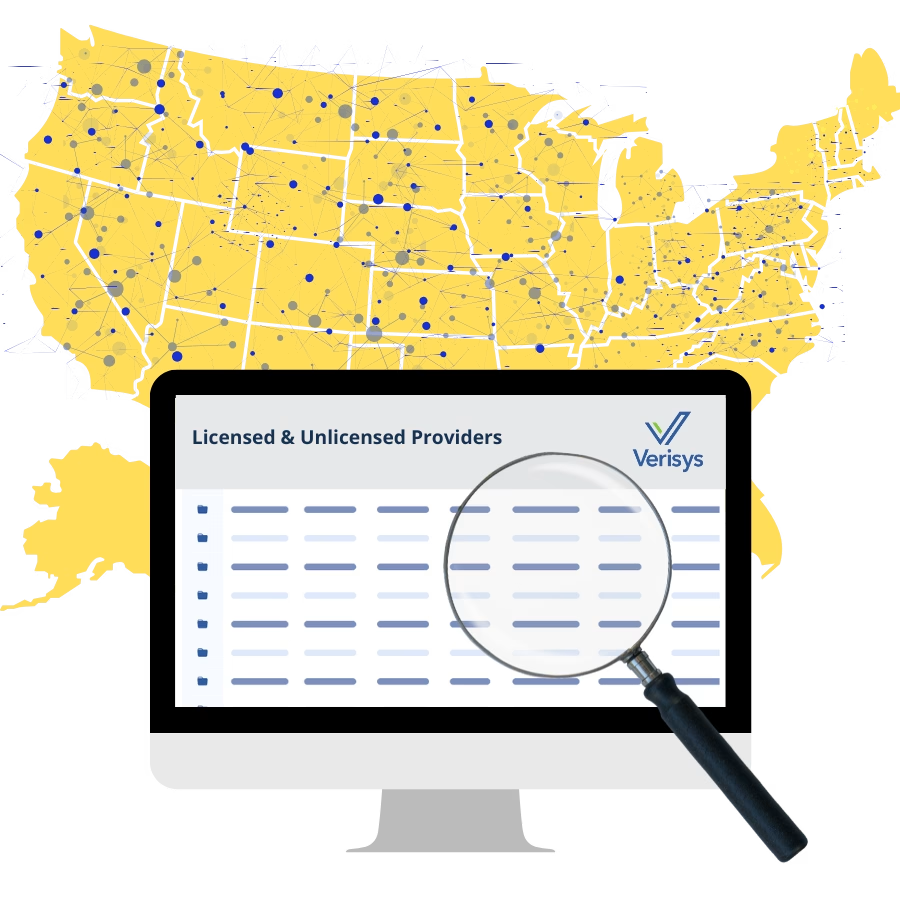
This is where Verisys provider compliance data solutions support healthcare organizations. Through solutions such as Healthcare Compliance Monitoring, Healthcare Background Screening, and Healthcare License Verification, Verisys helps organizations strengthen supply chain compliance by delivering verified data that supports informed decisions, operational efficiency, and long-term resilience.