Given the critical nature of the healthcare industry, provider credentialing is non-negotiable. But the best credentialing software isn’t just one that makes the provider verification process easier. It’s one whose features integrate seamlessly with your systems and workflow, while ensuring that your facility’s verification process meets industry standards.
With so many credentialing solutions available, making a choice is tough. This article will show you features you should consider and share tips to help you choose the best provider credentialing software.
What Is Credentialing Software and Why It Matters
Credentialing software is a digital tool designed to help healthcare organizations and facilities streamline the process of verifying and enrolling healthcare providers within their system and with insurance payors.
It is a software that ensures that the credentialing process is easy, efficient, error-free, and stress-free both for the providers and administrators throughout the providers’ lifecycle—ranging from privileging, enrollment with payors to recredentialing, and ongoing monitoring.
For many healthcare organizations, the credentialing process is manual. Hard-copy forms, in-person signatures, manual primary source verification, endless back-and-forth correspondence, and hours spent on meticulous perusal of details. This yields little as human errors still occur, exposing patients to treatment from unverified individuals and exposing the organization to credentialing issues.
According to this research by Grandview, the global credentialing software and services in healthcare market size was estimated at USD 807.8 million in 2023 and is expected to grow at a CAGR of 8.3% from 2024 to 2030. Automated credentialing is the future, and more healthcare organizations are starting to ask, “How can we make this work for us”?
Key Features of the Best Credentialing Software
The best credentialing software isn’t about pretty dashboards, cute icons, and aesthetic user interfaces. It’s about improving efficiency, accuracy, and lessening the workload for in-house credentialing teams. So, while you’re looking to choose, keep in mind that a standard credentialing software should have the following features:
Automated Primary Source Verification
Primary source verification is the process of digging into primary sources like government databases, state medical boards, medical schools, and councils to confirm the authenticity of providers’ documents. For instance, if a provider claims they graduated from a certain medical school, the healthcare facility only trusts that statement when the medical school says the same and provides the evidence.
Because admin teams have to sift through several databases, send emails, conduct correspondence, and wait for a reply, this process is time-consuming and inefficient. An ideal healthcare provider credentialing solution should perform direct primary source verifications with licensing boards, certifying agencies, and relevant government databases in real time. This feature will massively reduce the time spent on the verification process and improve accuracy.
Centralized Provider Data Management
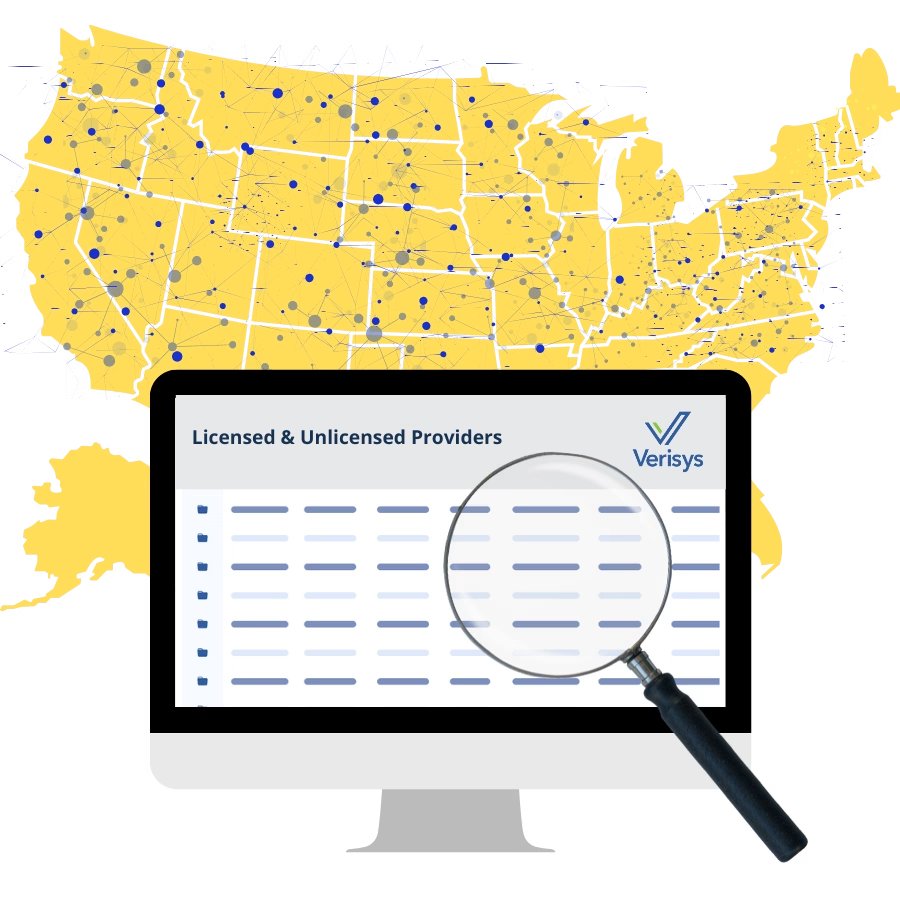
The best provider credentialing software shouldn’t just be able to perform primary source verifications; it should have its own proprietary, curated, and periodically updated database. This could consist of disciplinary actions, sanctions, exclusions, and criminal records to aid continuous monitoring. This creates a single source of truth across all systems and departments, reduces duplications, manual errors, and compliance issues.
For instance, Verisys has its own database, Fraud and Abuse Control Information System, FACIS, which it integrates into a unified platform, so organizations can access verified, up-to-date provider records in real time. This not only simplifies credentialing but also strengthens trust, accuracy, and operational efficiency across the board.
Compliance Monitoring and Alerts
Credentialing is an ongoing process. So, the best credentialing software should not stop once the provider is verified. It should provide regular updates as regards providers’ license status. Alerts as regards sanctions, exclusions, license expirations, and recredentialing must be prompt. This reduces compliance risks and ensures that patients receive care from qualified individuals.
Common Challenges Solved by Credentialing Software
Healthcare facilities face many challenges with the various types of credentialing they handle. However, these challenges are common and can be improved with automation. Some of them include:
Delays in Provider Onboarding
Manual credentialing is a rigorous and time-consuming process that can span 120 days or even more. Factor in the back-and-forth correspondence, missing documents, and the committee review, and you have a major delay in the provider onboarding process.
Unfortunately, all parties bear the brunt as patients are unable to receive specialized care, hospital revenue is affected, and providers also lose money while waiting to be verified.
However, with credentialing software, you can have faster credentialing and shorter onboarding processes, thanks to automated provider verification and a centralized dashboard.
Risk of Noncompliance and Revenue Loss
According to the HIPAA journal, in 2023, Healthcare organizations lost up to $10 million due to cybersecurity breaches. And some of these breaches can be traced back to human error, unauthorized access, and theft.
When credentialing is handled manually, with spreadsheets and unsecured files, sensitive provider information becomes an easy target. Credentialing software solves this by locking down data with encryption, automating high-risk tasks, and restricting access to only the right people. It keeps a clean audit trail, alerts you to compliance risks, and helps prevent costly mistakes before they happen. The result? Peace of mind, stronger security, and protection for your facility, patients and providers.
Data Silos and Inefficient Communication
Avoidable mistakes and frustrating delays often arise when healthcare facilities lack a unified data source, standardized workflows, and a centralized communication platform. In many cases, departments operate in silos—each using its own systems, terms, and processes—resulting in inconsistent information, duplications, and missed deadlines.
The best credentialing software breaks down these silos by offering a single, centralized platform where verified provider data, task assignments, and communication tools all live. Shared dashboards and role-based access ensure that every department is working from the same up-to-date information, making collaboration smoother, faster, and far more reliable.
Choosing the Best Credentialing Software for Your Organization
While choosing a credentialing software, ensure to consider:
Scalability: Ensure that this software can serve your organization, not only in the present, but in the future as you hire more providers.
Support: You’ll probably run into minor challenges while setting up this software, and you don’t want a credentialing solution that replies a decade later. Ensure that they have a strong and reliable customer service by checking reviews online before your final decision.
Integration: The best credentialing software should be able to integrate seamlessly into your workflow. Whether it’s syncing with HR platforms, medical staff systems, EMRs, or compliance tools, strong integration ensures that provider data flows effortlessly across your organization.
Security: Credentialing deals with critical provider data. So, your credentialing partner should have standards and security protocols to avoid unauthorized access and data breaches. Also, ensure that they’re compliant with regulatory bodies like HIPAA and TJC.
Streamlining Credentialing Through the Right Software
The credentialing platform you choose has a direct impact on your healthcare facility’s efficiency, compliance, and reputation. A poor choice can lead to costly delays, errors, or even legal risks, but the right solution accelerates onboarding, safeguards provider data, and ensures full regulatory compliance.
Verisys stands out as a trusted leader in healthcare provider credentialing software, offering automation, accuracy, and peace of mind. By partnering with a reliable platform like Verisys, healthcare organizations can streamline credentialing, reduce administrative burden, and focus on delivering quality care.
Sources
Grandview research, Credentialing-software-services-healthcare-market-report.
HIPAA Journal, The Consequences of Non-Compliance in Healthcare.
https://www.hipaajournal.com/consequences-of-non-compliance-in-healthcare/