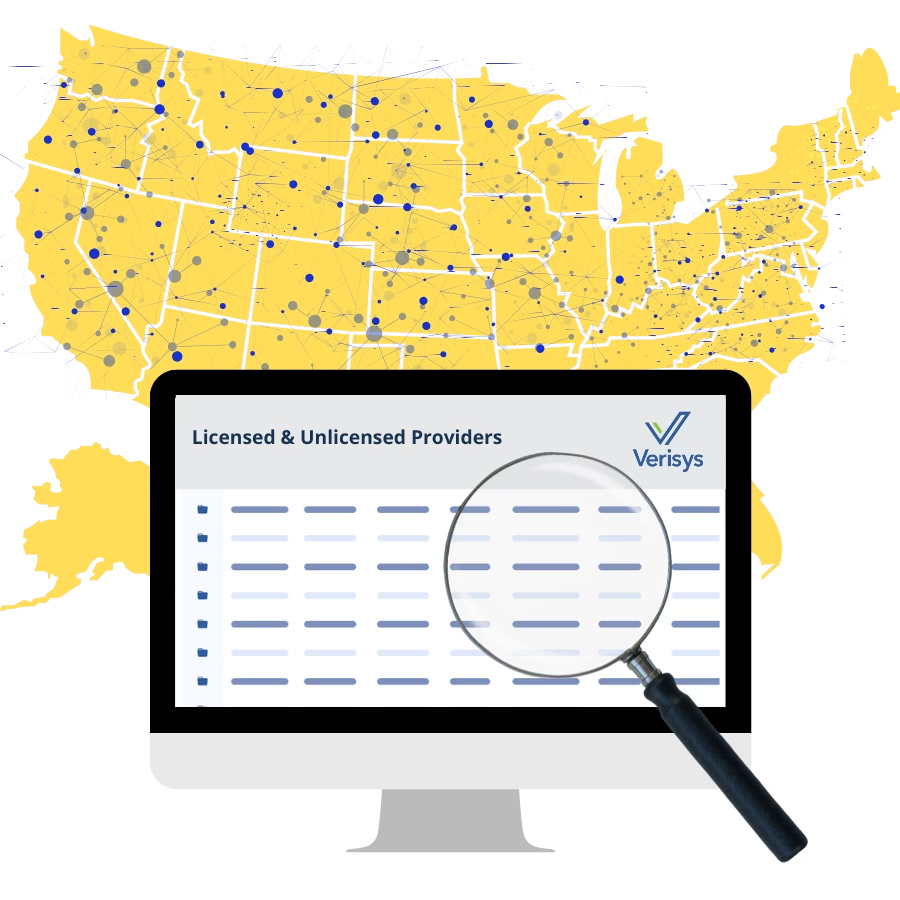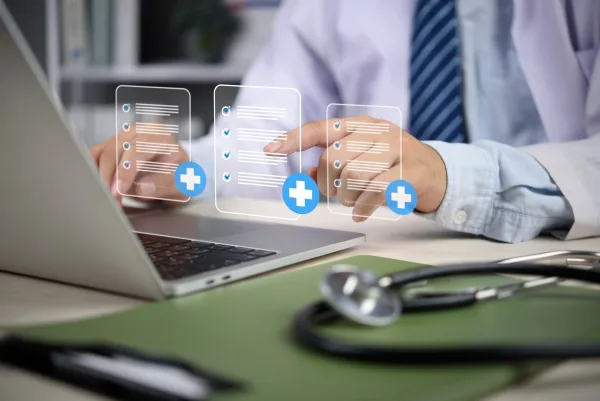
Provider network monitoring requires continuous oversight of every provider in an organization’s network to verify credentials, detect sanctions and exclusions, and confirm regulatory compliance across an increasingly complex healthcare environment.
In many healthcare organizations, gaps in monitoring do not stem from intent. They result from fragmented data, limited visibility into network activity, and reliance on point-in-time verification. These gaps introduce risk across care delivery, payment integrity, and compliance.
This guide outlines how modern monitoring programs operate, the regulatory requirements that shape them, and how organizations can build scalable, audit-ready systems grounded in verified data.
What Is Provider Network Monitoring?
Provider network monitoring is the ongoing verification of provider eligibility throughout the provider lifecycle, not just at credentialing, but between onboarding, credentialing, and recredentialing cycles. Keeping that data current matters beyond compliance. Outdated provider directory and eligibility information is one of the most common drivers of claim denials, and organizations that monitor proactively can catch eligibility gaps before they reach the claims stage.
This includes visibility into:
- Licensure status across jurisdictions
- Sanctions, exclusions, and debarments
- Credential expirations and disciplinary actions
- Eligibility for participation in federal and commercial programs
- Claims processing and editing
In a typical healthcare environment, provider network monitoring depends on accurate data flowing across credentialing, provider enrollment, HR, compliance, and payment integrity workflows. When provider directory records fall out of sync with current eligibility status, the downstream effects show up in denied claims, delayed reimbursement, and compliance exposure.
When those systems rely on outdated or inconsistent provider records, organizations may miss eligibility changes that affect patient safety, claims payment, or audit readiness.
Provider network monitoring helps healthcare organizations:
- Verify provider credentials and eligibility over time
- Maintain visibility into license, sanction, exclusion, and adverse action status
- Support audit readiness and compliance reporting
- Reduce payment integrity and patient safety risk
- Keep provider directory data current to reduce claim denials and payment delays
This is especially important for organizations managing large or complex provider populations, including health plans, hospitals, and health systems.
Without recurring monitoring, organizations may miss status changes that affect provider eligibility, reimbursement, compliance, or patient safety.
Core Components of an Effective Monitoring Strategy
An effective network monitoring strategy addresses multiple compliance and operational risks through several interconnected elements.
Continuous License and Credential Verification
Providers generally must hold an active, appropriate license in each jurisdiction where they practice, depending on provider type, service model, and applicable state requirements.
Healthcare license monitoring requires tracking renewals, restrictions, expirations, and disciplinary actions across all relevant jurisdictions. Under updated NCQA accreditation standards effective June 2026, license expiration must be tracked in real time, and credentialing files must be processed within 120 days for files submitted on or after July 1, 2025, down from the previous 180-day timeframe.
Multi-state providers add complexity, particularly for large health systems managing thousands of records. A single provider practicing across multiple states must be verified against each licensing board, each with its own update cadence.
Without centralized monitoring, organizations risk delayed updates and missed license changes that affect eligibility and reimbursement.
Exclusion and Sanctions Monitoring
Federal and state regulations require organizations to conduct healthcare sanction screening against multiple exclusion databases, including OIG, GSA, OFAC, and Medicaid exclusion lists. These sources identify individuals barred from participating in federally funded programs.
At minimum, healthcare organizations commonly align OIG exclusion screening with monthly LEIE updates. More comprehensive monitoring programs also include SAM, state Medicaid exclusions, licensing board actions, and other sanctions or debarment sources.
For health plans subject to NCQA accreditation, updated standards effective June 2026 require monthly checks, specifically every 30 days, for provider sanctions, Medicare and Medicaid exclusions, and SAM.gov. SAM.gov is now a required primary source for exclusion monitoring under these standards, not an optional supplement. When monitoring identifies a finding, it must be escalated to a peer-review body immediately rather than simply logged by the credentialing team.
Monthly screening may satisfy a baseline process, but more frequent or ongoing monitoring can provide stronger visibility into status changes that occur between monthly checks.
Adverse Action and Risk Indicator Monitoring
Monitoring may also include adverse actions, board disciplinary activity, malpractice indicators, Medicare opt-out status, DEA/CDS registration changes, and other risk signals that affect provider eligibility or organizational exposure.
Early visibility into these changes helps compliance, credentialing, and payment integrity teams respond before risk escalates.
Audit Preparation and Documentation
Organizations must maintain detailed records of all monitoring activities. This includes timestamps, sources checked, and actions taken. Point-in-time credentialing snapshots are insufficient for demonstrating ongoing compliance.
Automated monitoring platforms help store records in a secure repository. This audit trail documentation proves invaluable when preparing for healthcare compliance audits, NCQA reviews, and internal assessments.
Without structured documentation, organizations cannot demonstrate compliance, even if monitoring occurred.
Automation and Integration
Manual monitoring across fragmented systems creates inefficiencies and increases risk. Automation eliminates repetitive tasks through APIs, secure portals, and structured file exchanges that connect directly to automated credentialing workflows.
Automation supports:
- Recurring license and exclusion checks
- Status-change alerts
- Audit-ready documentation
- API, SFTP, or portal-based data delivery
- Integration with credentialing, HR, compliance, and payment workflows
Automation reduces manual workload and improves uptime across critical systems, allowing healthcare IT teams to monitor events, detect network issues, and respond faster.
Best Practices for Managing Provider Network Compliance
Standardized processes, verified data, and risk-aligned strategy separate compliant organizations from those exposed to regulatory and operational risk.
Standardized review processes
Clear policies form the foundation of an effective compliance program in healthcare. Healthcare organizations need documented monitoring frequency, source coverage, escalation protocols, and remediation workflows. Written policies ensure consistency across staff members and create defensible compliance records.
Real-time, verified data
Monitoring aligned with regulatory update cycles is a baseline. Inaccurate data creates dangerous outcomes in two directions.
False positives waste staff time investigating providers who have no compliance issues. False negatives allow excluded or unlicensed providers to continue practicing and billing.
Centralized Data and Workflow Integration
Monitoring is most effective when provider data is centralized and integrated into:
- Credentialing workflows
- Claims and payment integrity processes
- Provider directory management
This ensures that eligibility data is accessible at the moment decisions are made.
Risk-aligned monitoring intensity
This recognizes that not all providers present equal compliance risk. Organizations should tier their approach based on provider type, practice setting, and historical patterns.
Health plans managing large delegated networks face particular complexity and benefit from healthcare payer compliance solutions designed for scale.
Best practices for managing provider network compliance include establishing strong monitoring foundations today to effectively monitor changing standards. Organizations that achieve visibility into their network operations position themselves to adapt as compliance requirements change.
Building a Proactive Network Monitoring Program
Effective provider network monitoring requires more than periodic checks. It requires a proactive approach built on continuous monitoring, centralized data, and integrated systems. This approach also supports risk management in healthcare across their networks.
Verisys provides verified healthcare provider data solutions that support compliance, credentialing, ongoing monitoring, and risk mitigation workflows.
Its platform supports credentialing, ongoing monitoring, and payment integrity workflows for all provider types across U.S. states and jurisdictions.
By consolidating data and automating updates, Verisys helps healthcare organizations reduce operational risk and cost while supporting safer, higher-quality patient care.
FAQs About Provider Network Monitoring
What is provider network monitoring?
Provider network monitoring is the ongoing oversight of providers within a healthcare organization’s network to confirm license status, credential status, sanctions, exclusions, and other compliance indicators over time.
How often should healthcare organizations monitor their provider networks?
OIG requires monthly healthcare exclusion screening at minimum, and NCQA standards mandate monthly monitoring of sanctions, exclusions, and SAM.
However, continuous monitoring provides stronger protection by detecting changes as they occur.
What is the difference between credentialing and ongoing monitoring?
Credentialing is the initial and periodic verification of a provider’s qualifications. Ongoing monitoring is the continuous surveillance between credentialing cycles to detect new sanctions, license changes, or adverse actions.
How does automation improve provider network monitoring?
Automation delivers three key benefits:
- Status-change alerts: Notifications when a provider’s license, exclusion, sanction, or credential status changes.
- Audit-ready documentation: Automatically stored records of screening dates, sources, results, and follow-up actions.
- Workflow integration: Connection to existing systems through APIs, portals, or secure file exchange.
Why is provider network monitoring important for payment integrity?
Provider network monitoring helps payment integrity teams confirm that providers remain eligible to bill or receive reimbursement. By monitoring exclusions, sanctions, license status, DEA/CDS registration, Medicare opt-out status, and other eligibility indicators, organizations can reduce the risk of improper payments and the downstream costs of recovery efforts.
Sources
- CMS. Compliance Program Guidelines. https://www.cms.gov/regulations-and-guidance/guidance/manuals/downloads/mc86c21.pdf.
- NCQA. Proposed Standard Updates to 2025 Accreditation Programs. https://www.ncqa.org/wp-content/uploads/HPA-2025_Proposed-Standards-Updates.pdf.