For healthcare organizations, exclusion screening is not a one-time task, it is an ongoing compliance obligation. The question is not whether you should screen against the OIG exclusion list, but how often you should do it to protect your organization, your patients, and your participation in federal healthcare programs.
Many organizations struggle to balance regulatory expectations with operational realities. Manual screening processes, large or constantly changing workforces, and fragmented data systems make it challenging to maintain consistent supervision. When routine checks fall out of alignment, organizations can face penalties, repayment obligations, and broader compliance risk.
This guide explains how often you should check the OIG exclusion list, why monthly screening is widely considered the standard, and how healthcare organizations can build a defensible, sustainable exclusion monitoring approach.
What Is the OIG Exclusion List?
The OIG exclusion list, formally known as the List of Excluded Individuals and Entities (LEIE), is maintained by the HHS OIG under the Department of Health and Human Services. The Office of Inspector General uses the LEIE to identify individuals or entities that are excluded from participating in Medicare, Medicaid, and other federal health care programs.
The LEIE is an online searchable database that includes:
- Individuals convicted of felony offenses related to healthcare fraud or financial misconduct
- Entities excluded due to patient abuse, neglect, or other unlawful activity
- Parties sanctioned for issues involving controlled substances or improper billing
When an excluded individual or entity appears on the exclusions list, federal healthcare programs may not pay for any item or service furnished by that person or organization, either directly or indirectly. This applies regardless of whether the individual is an employee, contractor, volunteer, or vendor providing goods or services.
Why Regular OIG Exclusion Screening Is Essential
Regular screening against the OIG exclusion list is a foundational element of healthcare compliance. If an organization employs or contracts with an excluded individual and submits claims to Medicare or Medicaid, it may be subject to penalties, repayment demands, or hefty fines, even if the exclusion was unintentional.
Beyond financial exposure, exclusion failures can create broader healthcare compliance issues, affecting audit readiness, payer trust, and patient confidence. Guidance from the Office of Inspector General makes clear that organizations are expected to understand the exclusion status of their workforce and vendors, not just at onboarding, but on an ongoing basis.
Routine exclusion screening supports:
- Compliance with federal healthcare program requirements
- Protection against healthcare non-compliance consequences
- Stronger governance across credentialing vs privileging workflows
For organizations managing provider credentialing, exclusion monitoring is closely tied to other screening activities, such as healthcare license verification and background checks. Gaps in one area often signal risk in others.
How Often Should You Check the OIG Exclusion List?
The short answer is monthly.
While regulations do not always prescribe a single frequency in statutory language, guidance from the Office of the Inspector General and industry practice consistently point to monthly exclusion screening as the standard. The LEIE is updated every month, and organizations are expected to list at least monthly checks as part of a reasonable compliance program.
Conducting an OIG exclusion check monthly helps organizations:
- Identify newly excluded individuals or entities soon after exclusions are imposed
- Detect changes in status, including parties removed from the list
- Maintain compliance across all workforce categories, not just licensed providers
From an operational standpoint, checking the OIG exclusion list monthly aligns with other recurring compliance activities, such as credentialing updates, contract reviews, and provider credentialing cycles. It also reduces the risk of missing name changes, aliases, or mismatches tied to social security number, date of birth, or NPI numbers.
Who Needs to Be Screened?
One of the most common misconceptions about exclusion list screening is that it applies only to physicians or licensed clinicians. In reality, OIG exclusions apply broadly to anyone involved in furnishing or supporting items or services billed to a federal healthcare program.
Healthcare organizations are expected to screen all individuals or entities whose work could affect claims submitted to Medicare and Medicaid.
Employees and Licensed Providers
All employees, clinical and non-clinical, should be included in routine exclusion checks. This includes physicians, nurse practitioners, physician assistants, medical assistants, billing staff, and administrative personnel.
If an excluded employee participates in patient care or supports billing activities for a healthcare program, the organization may face repayment obligations and penalty exposure. Screening licensed providers is also closely tied to provider credentialing, where exclusion monitoring complements license verification and other types of credentialing activities.
Contractors and Vendors
Contractors present a higher risk profile because they are often overlooked in workforce screening workflows. However, the OIG exclusion list applies equally to any contractor or vendor under contract who provides services connected to a federal health care program.
This includes:
- Staffing agencies and locum tenens providers
- Billing vendors and management services organizations
- Suppliers of clinical or administrative goods or services
Failure to screen vendors can result in liability if an excluded individual or entity contributes to claims, even indirectly. This is why exclusion screening is a critical part of vendor oversight and broader provider credentialing and compliance efforts.
Volunteers, Students, and Temporary Staff
Volunteers, students, interns, and temporary workers may not appear on payroll, but they can still create compliance risk. If these individuals support care delivery or access systems tied to billing, they should be included in the screening process.
Closing these gaps helps organizations demonstrate a comprehensive, defensible approach to OIG compliance.
Challenges in Maintaining Routine Screening
Maintaining consistent, monthly OIG screening is easier said than done. Many healthcare organizations struggle with operational barriers that increase the risk of missed exclusions.
Common challenges include:
- Manual searches against a limited exclusion database
- Managing large or frequently changing workforce rosters
- Missing name variations, aliases, or incomplete identifiers
Manual processes make it difficult to reliably search the OIG exclusion list using identifiers like social security, date of birth, or social security number. These gaps can delay detection and increase exposure to healthcare legal issues and repayment demands.
As workforce size and complexity grow, so does the need for more scalable approaches to exclusion monitoring.

Best Practices for Effective OIG Exclusion Monitoring
Mature compliance programs treat exclusion screening as an ongoing, documented process—not a point-in-time task. Industry best practices align around three core principles.
- Conducting screening monthly in alignment with LEIE updates
- Including employees, contractors, and vendors in the process
- Documenting each screening activity for audits and investigations
Automated healthcare background screening tools help organizations maintain this cadence at scale, reducing administrative burden while supporting consistent oversight
Consistent Screening Protects Compliance and Reduces Risk
Checking the OIG exclusion list regularly is one of the most effective ways healthcare organizations can protect themselves from avoidable compliance failures. Monthly screening reflects regulatory expectations, aligns with how the LEIE list is maintained, and helps organizations respond quickly when exclusions are imposed.
By screening all employees, contractors, and vendors, and by documenting those efforts, organizations can reduce exposure to fines, repayment obligations, and broader healthcare non-compliance consequences. Just as importantly, consistent exclusion monitoring supports patient trust and safeguards participation in government healthcare programs.
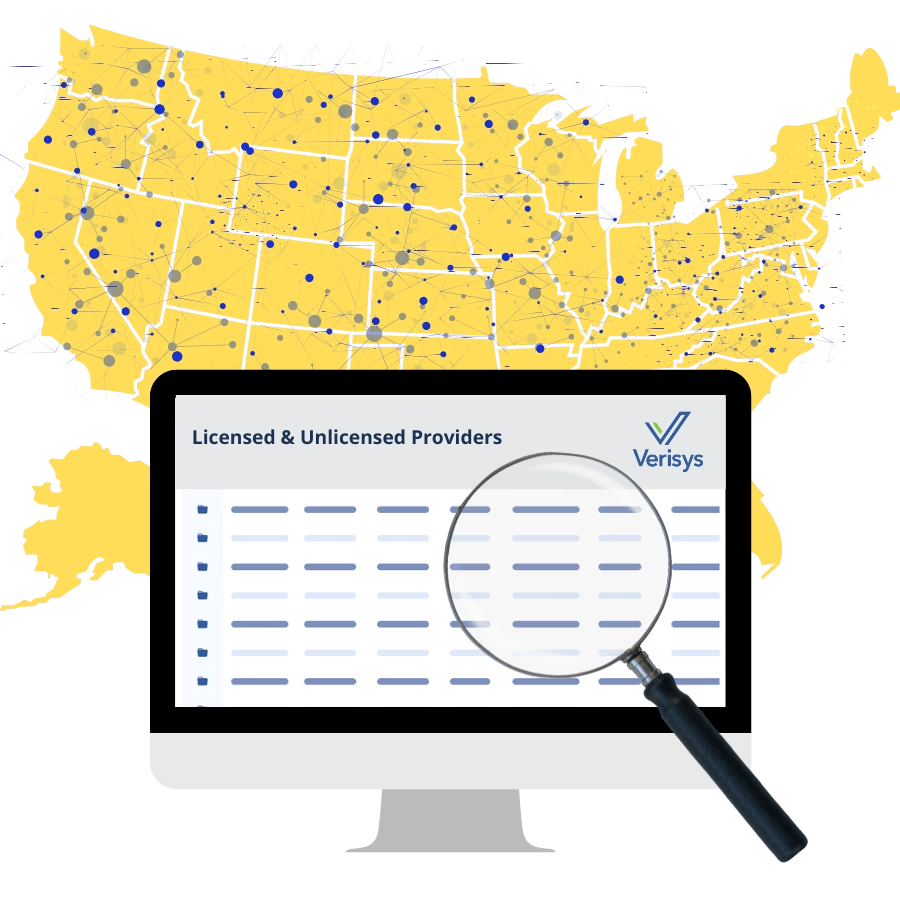
This is where provider data compliance solutions from Verisys support healthcare organizations. Through automated healthcare background screening, ongoing exclusion monitoring solutions, and integrated verification workflows, Verisys helps organizations maintain defensible compliance programs without adding operational strain. With continuously monitored data and clear audit trails, organizations can approach exclusion screening with greater confidence and control.