As telehealth becomes a core part of healthcare delivery, providers looking to offer virtual care must figure out how to credential at scale. From multi-state licensing rules to remote verification systems and payer requirements, becoming a telehealth provider goes far beyond having a good webcam and internet connection.
Credentialing is no longer just a box to check; it’s a compliance step that ensures providers meet safety, privacy, and clinical standards while avoiding reimbursement issues. This guide outlines how to become a telehealth provider and navigate credentialing using healthcare credentialing solutions.
What Makes Telehealth Credentialing Unique
Delivering care virtually introduces a new layer of complexity to traditional credentialing processes. Unlike in-person care, virtual practice often requires multi-state licensure, compliance with platform security standards, and flexible workflows for remote verification.
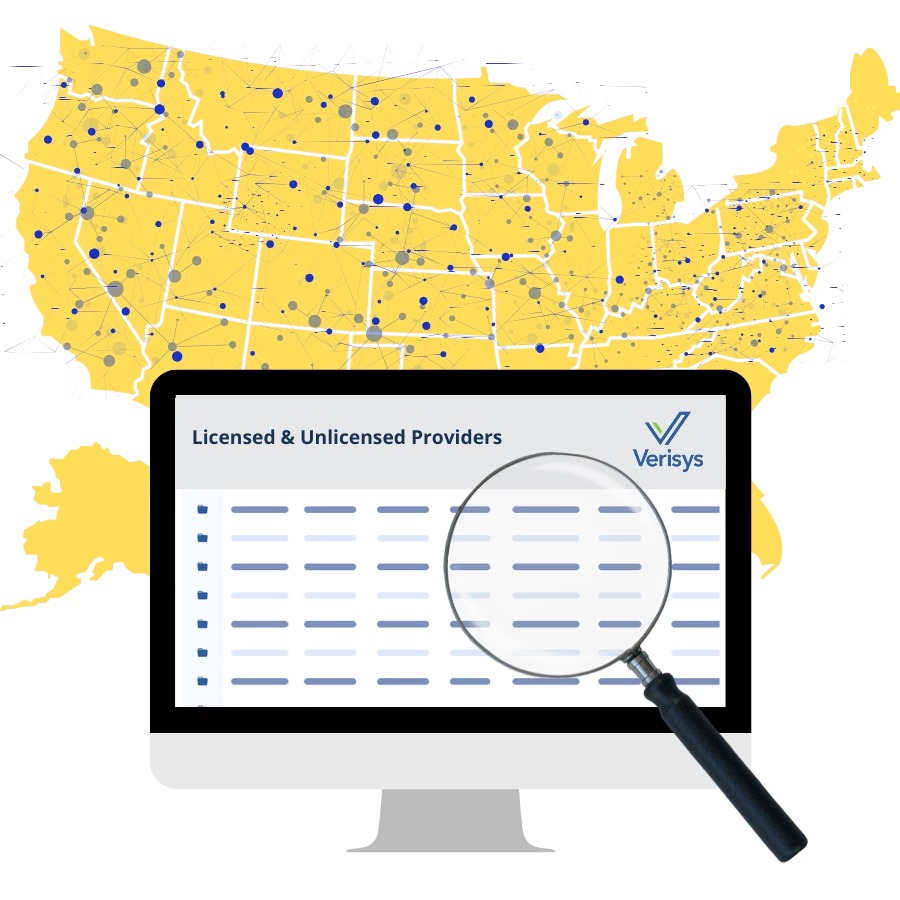
In traditional care, most providers only need to be licensed in their primary state. In contrast, telehealth often requires licensure in each state where the patient is located. With every state having its own rules, this becomes an administrative hurdle, especially for organizations looking to scale virtual care.
Also, there’s no unified standard for telehealth credentialing. While one payer might accept a certain verification method, another may require additional steps. Hospitals also vary in how they credential virtual providers; some rely on centralized systems, while others demand in-person paperwork or re-verification. Insurance companies are another hurdle; without Medicaid provider credentialing software solutions, it’s almost impossible to get started as a telehealth provider.
Thankfully, credentialing for telehealth providers can work out if you have the right information. Keep reading to find out:
Key Credentialing Requirements for Telehealth Providers
Telehealth credentialing typically includes verifying identity, education, licensure, work history, and ongoing competence. However, digital care adds some unique requirements:
Multi-State Licensure
One of the biggest barriers to virtual practice is navigating telehealth licensing requirements by state. The Interstate Medical Licensure Compact (IMLC) offers a streamlined pathway for physicians to apply for licenses in multiple states, but it’s not universal. Nurse practitioners and other professionals must apply individually in each state unless covered under a compact or telehealth-specific waiver.
Technology and Security Standards
Credentialing now includes reviewing whether providers use HIPAA-compliant technology platforms for video consultations, EHR access, and secure messaging. Providers may also need to sign attestations that confirm platform usage, privacy safeguards, and technical training.
Remote Identity and Education Verification
In a digital-first world, verifying a provider’s background remotely is essential. Telehealth credentialing involves validating degrees, certifications, work history, and state licenses without in-person contact, often through integration with national databases or third-party verification services. Healthcare provider data verification solutions simplify this verification process, especially at scale.
Common Barriers to Telehealth Credentialing
Despite growing demand for virtual care, providers face several credentialing challenges that can delay or derail the process.
Lack of Standardization
Credentialing rules for telehealth providers differ by state, payer, and even organization. This inconsistency leads to duplication of effort and confusion for credentialing teams. Without clear guidance, providers may unknowingly practice out of compliance.
Workflow Disruptions
Many healthcare systems still use credentialing processes designed for in-person care. Integrating telehealth providers into these outdated systems can cause delays, missed documentation, and communication breakdowns between teams.
Delayed Reimbursement Due to Credentialing Lags
Providers who begin delivering virtual care without full credentialing risk reimbursement denials. Credentialing delays can stall billing, especially when payers require primary source verification, license checks, or additional documentation.
Solutions for Streamlining Telehealth Credentialing
To support virtual care at scale, healthcare organizations need to rethink how they credential providers. These strategies can help:
Invest in Credentialing Platforms With Telehealth Support
Modern healthcare provider credentialing solutions can centralize and automate tasks like license verification, background checks, and document management for telehealth providers. Look for systems that support multi-state licensure tracking, integrate with national databases, and offer digital onboarding portals for telehealth providers.
Build Remote Onboarding Checklists
Clear, step-by-step onboarding guides help standardize what’s needed from virtual providers. Include requirements for licensing, HIPAA training, technology attestation, and remote identity verification. This helps teams stay consistent and avoid missing key documentation.
Partner With Vendors That Specialize in Multi-State Credentialing
Some vendors offer Medicaid provider credentialing software solutions or specialize in hospital credentialing software services. These partners can help manage license applications, keep up with changing telehealth rules, and ensure provider profiles stay current across state lines.
Supporting Virtual Care With Strong Credentialing
Credentialing is the backbone of safe, scalable telehealth. As virtual care evolves, providers and health systems must stay ahead of new rules, technology requirements, and multi-jurisdictional licensing standards.
With the right systems in place, organizations can avoid delays, ensure compliance, and deliver a seamless experience to both patients and providers. Investing in streamlined healthcare provider credentialing solutions tailored for the unique demands of telehealth is no longer optional.
Sources
FL Health source https://flhealthsource.gov/telehealth/faqs/