What Is Nurse Credentialing?
Nurse credentialing is a crucial process in healthcare that ensures nurses have the qualifications, skills, and experience to provide safe and effective patient care. The primary purpose of nurse credentialing is to protect patients and maintain the integrity of healthcare organizations.
It serves several crucial functions:
- Verifying educational qualifications and licensure
- Confirming specialized training and certifications
- Assessing clinical competencies and skills
- Reviewing work history and professional references
- Checking for any disciplinary actions or malpractice claims
To streamline this complex process, many healthcare organizations rely on healthcare provider credentialing solutions, which help manage and automate verification, ensuring compliance with regulatory requirements. These solutions assist in maintaining high standards of care by efficiently tracking licensure, certifications, and background checks.
Nurse credentialing must be renewed periodically to ensure nurses stay up-to-date with the latest practices and regulations. By leveraging credentialing solutions, healthcare organizations can improve accuracy, reduce administrative burdens, and enhance patient safety.
Why Nurse Credentialing Is Essential
Nurse credentialing is crucial in maintaining high healthcare delivery and patient safety standards. This rigorous process ensures that nursing professionals possess the qualifications, skills, and experience to provide quality care.
Ensuring Competence and Patient Safety
When it comes to healthcare, there’s no room for error. Nurse credentialing is a safety net that ensures every nurse caring for patients has the right skills, knowledge, and qualifications.
By thoroughly evaluating a nurse’s credentials, healthcare organizations can:
- Minimize the risk of medical errors
- Ensure compliance with regulatory requirements
- Maintain a high level of patient trust
Credentialing also serves as a mechanism for ongoing professional development. It encourages nurses to:
- Stay current with best practices
- Pursue continuing education opportunities
- Demonstrate commitment to excellence in their field
Supporting Regulatory Compliance
Nurse credentialing helps facilities comply with state and federal regulations, accreditation standards, and payer requirements. It supports compliance with laws like the Health Care Quality Improvement Act and standards set by accrediting bodies such as The Joint Commission. These processes verify that nurses possess valid, unrestricted licenses and necessary certifications to practice legally and safely.
Thorough credentialing also helps mitigate legal and financial risks associated with employing unqualified or improperly licensed nurses. By maintaining up-to-date records and conducting regular re-credentialing, healthcare organizations can demonstrate due diligence in ensuring their nursing staff meets all regulatory requirements.
Effective nurse credentialing systems facilitate smoother audits and simplify reporting to regulatory agencies. With comprehensive, well-organized credentialing data, healthcare facilities can quickly provide evidence of compliance when needed, saving time and resources during inspections or reviews.
Building Trust with Patients and Employers
When you’re a credentialed nurse, you’re showcasing your commitment to excellence and professionalism. Patients feel more at ease knowing they’re in capable hands, while employers can confidently rely on your skills and qualifications. Imagine walking into a hospital and seeing credentials proudly displayed. It’s reassuring, right? It tells patients, “You’re in good hands.”
Your credentials are like a seal of approval for employers. They’re looking for skilled nurses committed to ongoing professional development. This helps mitigate the risks associated with employing unqualified personnel and supports a culture of quality and safety.
The Nurse Credentialing Process
The nurse credentialing process ensures patient safety and regulatory compliance within healthcare organizations. This comprehensive procedure verifies a nurse’s qualifications, education, licensure, and professional experience.
Verification of Education and Licenses
The process typically begins with the nurse applying, including their educational background, work history, and current licensure information. Here, HR professionals meticulously examine each candidate’s academic background, confirming the authenticity of degrees and certifications from accredited institutions. Simultaneously, they verify current nursing licenses, ensuring they are valid and in good standing with the relevant state board of nursing.
You’ll need to set up a system to monitor licenses and certifications continuously. This helps catch any expirations or disciplinary actions that could affect a nurse’s ability to practice. Modern healthcare organizations are leveraging advanced technologies to streamline this verification process. Platforms like Verisys offer real-time data healthcare provider data verification solutions that can quickly cross-reference educational records and license statuses against comprehensive databases. This expedites the nurse credentialing workflow and reduces the risk of human error, ensuring a more pristine compliance program.
Background Checks and Experience Verification
Nurse credentialing involves a thorough background check and experience verification process. This step ensures that healthcare organizations hire qualified professionals with clean records. Background checks typically include criminal history, education verification, and professional license status. Many healthcare employers utilize FACIS® (Fraud Abuse Control Information System), offered by Verisys, to screen for any sanctions, exclusions, or disciplinary actions at the federal and state levels. These screenings help maintain patient safety and protect healthcare facilities from potential liability issues.
Experience verification is another vital component. This process involves confirming a candidate’s work history, including previous employers, job titles, and duration of employment. Healthcare organizations may verify clinical skills and specialized training to ensure nurses can handle specific roles or departments.
Ongoing Credentialing and Monitoring
Nurse credentialing is not a one-time event but an ongoing process. It’s a continuing process that requires constant attention and diligence. You’ll need to stay on top of license renewals, continuing education requirements, and any changes in regulations or standards.
Implement a schedule for regular credential checks, typically annually or bi-annually. This process involves:
- Confirming the validity of licenses and certifications
- Checking for any disciplinary actions or restrictions
- Verifying continuing education requirements
Utilize automated systems that provide real-time alerts for:
- Expiring credentials
- Changes in licensure status
- New disciplinary actions
Don’t just wait for renewal time to verify credentials. Implement a continuous healthcare license verification and monitoring system that alerts you to nurse status changes. This could include disciplinary actions, license suspensions, or even criminal charges.
Challenges in Nurse Credentialing
Nurse credentialing is a complex process that healthcare organizations must navigate carefully. While essential for ensuring patient safety and regulatory compliance, it often presents several hurdles.
Time-Consuming Process
Nurse credentialing is notoriously time-consuming and can strain healthcare organizations’ resources. This intricate procedure involves verifying a nurse’s education, licensure, certifications, and work history, which can take weeks or even months to complete. The complexity arises from the need to contact multiple sources, including educational institutions, licensing boards, and previous employers, each with its own response times and verification processes.
Traditional manual verification methods exacerbate the time-intensive nature of nurse credentialing. HR professionals often juggle numerous applications, track down elusive references, and manage a mountain of paperwork. Let’s not forget the constant back-and-forth with applicants to get that one missing piece of information. This labor-intensive approach delays the onboarding of qualified nurses and increases the risk of human error, potentially compromising patient safety and regulatory compliance.
Inconsistent Record-Keeping
Inconsistent record-keeping is another significant hurdle in this process. It’s a common problem that plagues many healthcare organizations. When you’re relying on manual processes, it’s easy for things to slip through the cracks. This disorganization can result in:
- Missed renewal deadlines
- Incomplete documentation
- Difficulty tracking continuing education requirements
Inconsistent record-keeping doesn’t just create administrative nightmares. It can also put patient safety at risk. Without a centralized system, nurse managers often manually sift through paper files or multiple databases, wasting valuable time and increasing the risk of errors. Inefficient nurse credentialing processes due to poor record-keeping can have serious consequences. When credentials are not correctly verified or updated, it may lead to:
- Unqualified personnel providing care.
- Potential legal liabilities for the healthcare facility
- Compromised patient safety and quality of care
That’s why streamlining your process is crucial. This will help you ensure accuracy, consistency, and compliance throughout the process.
Compliance Risks
Failure to maintain proper nurse credentialing can expose healthcare facilities to significant compliance risks, including legal liabilities, financial penalties, and damage to reputation. You’re looking at potential lawsuits, damaged public trust, and regulatory scrutiny that could haunt your institution for years. Plus, insurance companies might refuse to cover services provided by nurses whose credentials aren’t up to snuff.
Potential Consequences of Non-Compliance
- Regulatory fines and sanctions
- Loss of accreditation or licensure
- Increased vulnerability to malpractice claims
- Compromised patient care quality
How Verisys Streamlines Nurse Credentialing
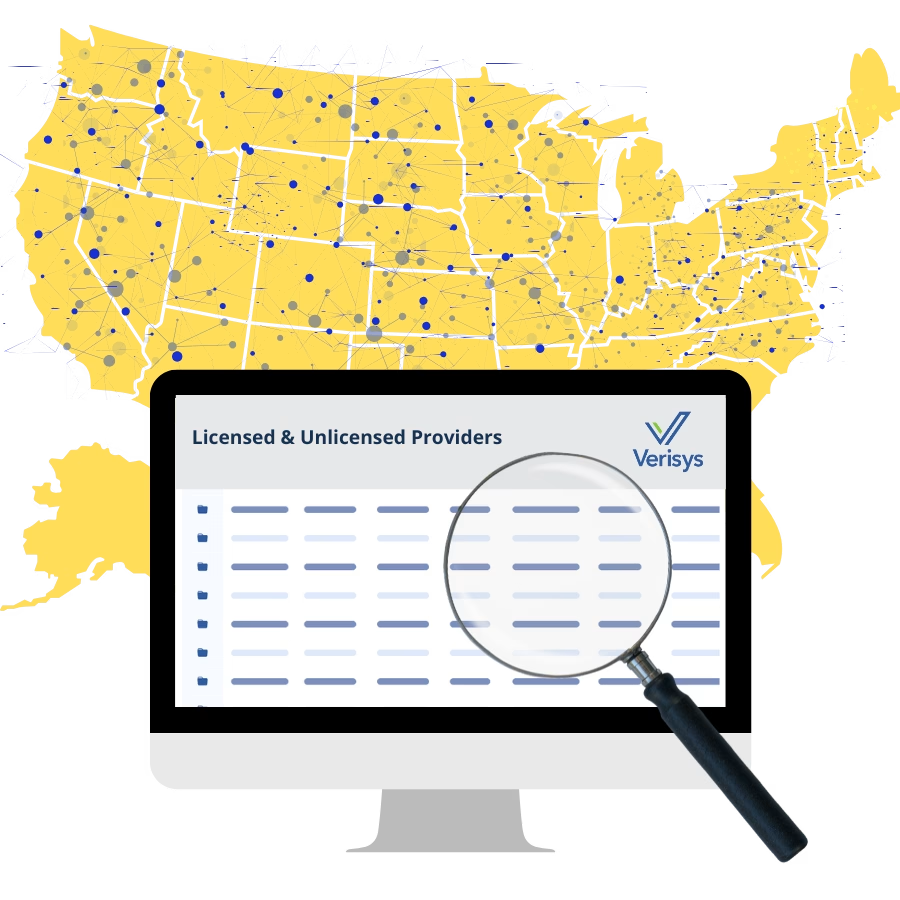
Verisys offers a healthcare provider compliance data solution that centralizes credential verification and compliance monitoring in real-time. By leveraging a robust data platform, Verisys ensures that healthcare organizations have instant access to accurate, up-to-date credentialing information. The system automatically tracks expiration dates and sends timely reminders, helping providers stay on top of renewals and regulatory requirements.
Verisys’ platform offers end-to-end support for nurse credentialing, including:
- Automated license verification and monitoring
- Integration with national databases for comprehensive background checks
- Customizable workflows to meet specific organizational needs
- Real-time alerts for expiring credentials or disciplinary actions
Healthcare organizations can partner with Verisys to ensure a more efficient, accurate, and compliant nurse credentialing process.
Conclusion: Achieving Compliance and Patient Safety with Nurse Credentialing
Nurse credentialing is a cornerstone of healthcare excellence. It ensures that professionals meet the highest standards of competence and safety. This rigorous process safeguards patients and protects healthcare organizations from legal and regulatory pitfalls. By verifying qualifications, experience, and ongoing education, nurse credentialing creates a foundation of trust and quality care.
Implementing an efficient nurse credentialing system doesn’t have to be daunting. With Verisys, healthcare facilities can simplify and expedite this crucial process. Our cutting-edge technology and comprehensive databases offer real-time healthcare provider credentialing solutions that disrupt outdated compliance methods.